Payday loans have grow to be a prominent monetary product within the United States, significantly amongst consumers facing urgent monetary needs. These quick-term, excessive-curiosity loans are sometimes marketed toward individuals with dangerous credit who might not have entry to traditional forms of credit score. Given their accessibility and fast approval processes, payday loans have discovered a niche within the financial landscape for these dealing with emergencies or unexpected expenses. Nevertheless, the convenience of these loans comes at a substantial value, elevating questions about their long-term implications for borrowers, significantly these with poor credit score histories.
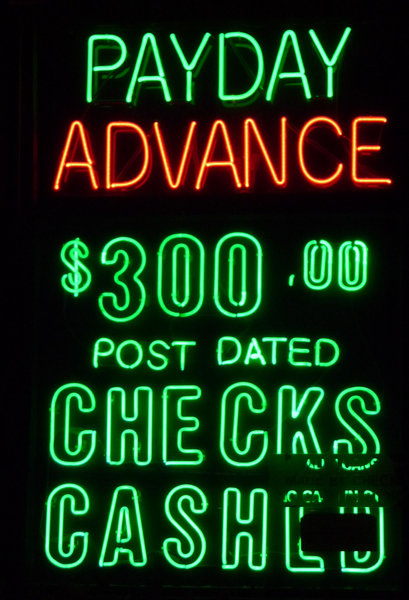
What Are Payday Loans?
Payday loans are typically small, short-time period loans which might be supposed to be repaid when the borrower receives their subsequent paycheck. In case you loved this short article and you would love to receive more details concerning bad credit lending options please visit our own website. They are primarily designed for individuals who require fast money to cover unexpected bills such as medical payments, automotive repairs, or utility bills. The loan amount usually ranges from $100 to $1,500, relying on the lender and local rules. The appeal of payday loans lies in their straightforward utility process, which can usually be accomplished on-line in a matter of minutes, and the fast disbursal of funds.
Demographics of Payday Loan Borrowers
A major proportion of payday loan borrowers are characterized by decrease income ranges and less monetary literacy. According to varied studies, people with a credit score score beneath 620 usually tend to pursue payday loans, as they do not qualify for conventional financial institution loans or credit score cards. The typical payday borrower is usually juggling multiple financial obligations, resulting in an increased reliance on excessive-price alternate options like payday loans. This demographic additionally tends to be youthful and fewer prone to have financial savings, making them susceptible to economic shocks.
The net Payday Loan Panorama
The rise of the internet has reworked the payday loan market, permitting borrowers to access loans from their houses without needing to go to a physical storefront. Online payday loans have simplified the borrowing course of, making it easier for those with bad credit score to secure funds. Borrowers can apply at any time and receive an virtually rapid determination on their software, and if authorised, the funds are usually deposited straight into their bank accounts inside hours.
This digital strategy has attracted a broader audience, together with those who may beforehand have shied away from conventional payday lenders. However, it has additionally intensified considerations regarding predatory lending practices, especially since online lenders might not adhere to the same rules as brick-and-mortar lenders. This disparity can expose borrowers to important dangers, together with exorbitant interest rates and hidden fees.
The prices of Payday Loans
One of the most contentious facets of payday loans is their cost. Borrowers can anticipate to pay an annual proportion rate (APR) that always exceeds 391%, far surpassing the charges of traditional loans. For example, a $500 payday loan with a $75 fee repayable in two weeks translates into an APR of 391%. These excessive costs can lead to a cycle of debt, where borrowers take out new loans to pay off current ones, trapping them in a monetary spiral.
Additionally, the fees associated with payday loans can lengthen beyond the usual curiosity value. Late repayment can trigger extra charges, and bounced checks may incur fees from each the lender and the borrower's financial institution. The general expense of payday loans can escalate shortly, making them an impractical solution for people who are already financially strained.
The Cycle of Debt
A big concern linked to payday loans is the potential for borrowers to enter a cycle of debt. Many borrowers, unable to repay their loans within the short timeframe, resort to rolling over their loans or taking out new loans to cover earlier debts. Research indicates that a majority of payday loan customers end up borrowing greater than that they had initially planned as a result of an inability to pay off the principal, generating a cycle that can hinder monetary recovery.
In one research, almost 70% of borrowers said that they did not expect to repay their first payday loan with out additional borrowing. As this cycle continues, borrowers face increased financial instability, which may contribute to worsening their credit score situation and total financial well being.
Authorized Rules
In response to the predatory nature of payday lending, several states have implemented rules to guard customers. These rules can embrace limits on curiosity charges, maximum loan quantities, and the variety of loans people can take out simultaneously. Some states have opted to ban payday lending altogether, whereas others have established strict pointers that lenders must comply with.
On-line payday lenders typically operate in a number of states, complicating the authorized landscape. Borrowers must bear in mind of the laws of their state as well as those governing the lender's operations. Understanding these regulations is essential for potential borrowers as non-compliance can lead to much more vital financial penalties.
Alternatives to Payday Loans
Because of the dangers related to payday loans, shoppers with dangerous credit score should discover different financial options before resorting to high-curiosity loans. Some options include:
- Credit Unions: Many credit unions supply small personal loans at decrease curiosity rates than payday lenders. Membership requirements accommodate people with poor credit score histories, enabling them to entry monetary services.
- Personal Installment Loans: These loans typically have longer repayment durations and lower interest rates, offering borrowers a more manageable repayment construction in comparison with payday lenders.
- Negotiating with Creditors: Borrowers would possibly consider reaching out to creditors or service providers to negotiate a fee plan or request a temporary deferment of funds.
- Group Help Programs: Many nonprofits and local charities offer monetary assistance or relief packages for individuals experiencing monetary hardship. These resources can present quick-time period assist without the burden of high-curiosity loans.
- Side Jobs or Gig Financial system Work: For those needing fast cash, participating in gig economy work (like ridesharing or freelancing) can provide additional income with out the need to borrow.
Conclusion
Payday loans for people with bad credit score might provide immediate relief in instances of monetary distress, however the repercussions associated with these loans can lead to extra significant problems in the long run. High interest charges, charges, and the potential for a cycle of debt create a precarious financial position for borrowers. Whereas on-line payday lending provides unprecedented convenience, it is essential for potential borrowers to recognize these risks and explore safer alternatives every time doable. Training on monetary administration and awareness of legislative protections are essential elements in navigating the challenging panorama of payday loans. Ultimately, empowering customers with knowledge is the important thing to avoiding the pitfalls related to payday loans and fostering financial stability.
