For instance, pilots can input real-time weather data, such as wind speed and direction, temperature, and altitude, which the calculator uses to adjust performance metrics accordingly. This capability ensures that the calculations are not only accurate but also tailored to the specific flight conditions at hand. This level of customization is essential for optimizing flight safety and efficiency. One of the standout features of the APC is its ability to process vast amounts of data from various sources, including weather conditions, runway specifications, and aircraft configurations.
Additionally, soldiers should focus on proper nutrition and recovery strategies to support their training efforts. Adequate rest, hydration, and balanced meals are essential for optimizing performance and achieving the ACFT Max.
This ease of use is particularly beneficial in high-pressure situations where quick decision-making is crucial. Moreover, the user interface of the APC has been designed with simplicity and accessibility in mind. Pilots and operations teams can easily navigate through the various features, inputting necessary data without the need for extensive training. The calculator also generates comprehensive reports that can be shared with stakeholders, ensuring transparency and collaboration among team members.
Preparing for the acft perfo requires a comprehensive training regimen that addresses all six components of the test. The Army provides various resources, including training guides and programs, to help soldiers prepare effectively. Soldiers are encouraged to incorporate strength training, cardiovascular conditioning, and flexibility exercises into their routines.
By fostering an inclusive and supportive environment, the Army can ensure that the ACFT serves as a tool for enhancing soldier performance and overall unit effectiveness, ultimately contributing to mission success in an ever-evolving landscape of military operations. In conclusion, the ACFT passing score represents a significant shift in the Army's approach to physical fitness. While it establishes important standards for soldier readiness, it also presents challenges that require careful consideration and ongoing adjustment.
This score is not only a measure of individual performance but also serves as a benchmark for unit readiness. Units with a higher proportion of soldiers passing the ACFT are deemed more prepared for the physical demands of military operations. Significance of the Passing Score
The passing score of 360 points is significant for several reasons. Firstly, it establishes a baseline for soldiers, ensuring that all personnel meet a minimum level of fitness necessary for combat readiness.
 This proactive approach allows flight crews to anticipate challenges and make necessary adjustments, thereby reducing the risk of delays and improving overall operational efficiency. By analyzing historical flight data and performance trends, the calculator can provide insights into potential performance issues before they arise. In addition to real-time data integration, the new APC employs machine learning techniques to enhance its predictive capabilities.
Performance Testing: The application was evaluated under different loads to ensure it could handle multiple users simultaneously without performance degradatio Unit Testing: Individual components of the application were tested to verify that each function performed as expected. User Acceptance Testing (UAT): A group of pilots and engineers tested the application in real-world scenarios, providing feedback on usability and functionality.
 User Satisfaction: Feedback from users indicated high satisfaction levels, with many praising the tool's ease of use and reliabilit Increased Accuracy: The automated calculations reduced human error, leading to more precise height and weight measurements. Time Efficiency: The time required for calculations was significantly reduced, allowing ground crew and pilots to focus on other critical tasks.
This case study examines the implications of the ACFT passing score, its criteria, and the impact on soldiers and the Army as a whole. The Army Combat Fitness Test (ACFT) was officially implemented to assess the physical readiness of soldiers in the U.S. Designed to replace the outdated Army Physical Fitness Test (APFT), the ACFT aims to provide a more comprehensive evaluation of a soldier's physical capabilities, aligning with the demands of modern combat scenarios.
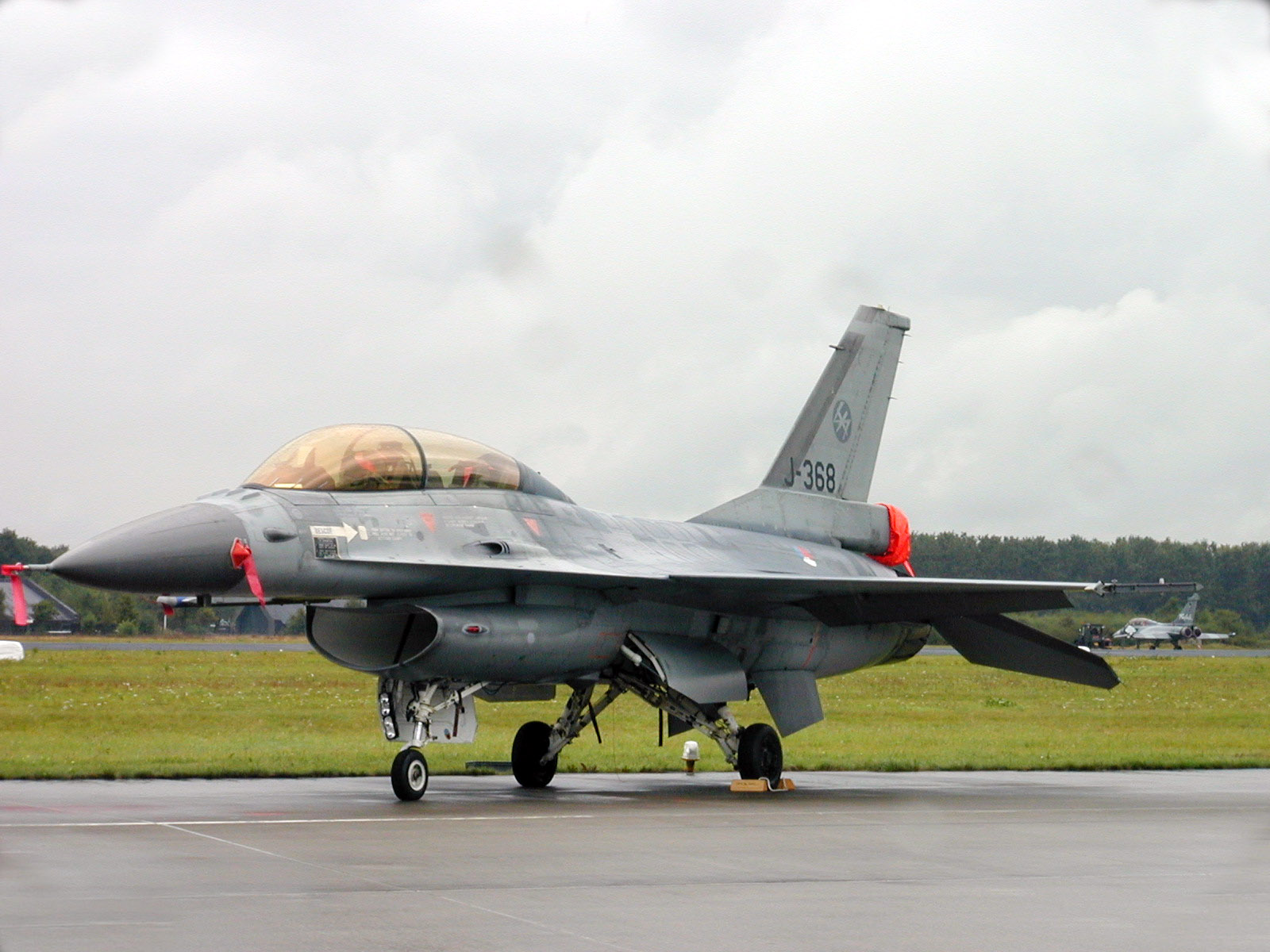 The new Aircraft Performance Calculator is designed to provide pilots, flight planners, and airline operations teams with real-time data and analytics to make informed decisions regarding aircraft performance. By integrating advanced algorithms, artificial intelligence, and a user-friendly interface, the APC allows users to calculate takeoff and landing distances, fuel consumption, weight and balance, and other critical performance metrics with unprecedented accuracy.
As the industry looks to the future, the adoption of such innovative tools will be crucial in navigating the complexities of modern aviation and ensuring a safe and efficient flying experience for all. By leveraging real-time data, advanced algorithms, and user-friendly design, the APC empowers pilots and operations teams to make informed decisions that enhance safety, efficiency, and sustainability. The new Aircraft Performance Calculator is not just a tool; it is a game-changer that will shape the future of aviation for years to come. In conclusion, the new Aircraft Performance Calculator represents a significant advancement in aviation technology, offering a comprehensive solution for optimizing flight performance.
Additionally, soldiers should focus on proper nutrition and recovery strategies to support their training efforts. Adequate rest, hydration, and balanced meals are essential for optimizing performance and achieving the ACFT Max.
This ease of use is particularly beneficial in high-pressure situations where quick decision-making is crucial. Moreover, the user interface of the APC has been designed with simplicity and accessibility in mind. Pilots and operations teams can easily navigate through the various features, inputting necessary data without the need for extensive training. The calculator also generates comprehensive reports that can be shared with stakeholders, ensuring transparency and collaboration among team members.
Preparing for the acft perfo requires a comprehensive training regimen that addresses all six components of the test. The Army provides various resources, including training guides and programs, to help soldiers prepare effectively. Soldiers are encouraged to incorporate strength training, cardiovascular conditioning, and flexibility exercises into their routines.
By fostering an inclusive and supportive environment, the Army can ensure that the ACFT serves as a tool for enhancing soldier performance and overall unit effectiveness, ultimately contributing to mission success in an ever-evolving landscape of military operations. In conclusion, the ACFT passing score represents a significant shift in the Army's approach to physical fitness. While it establishes important standards for soldier readiness, it also presents challenges that require careful consideration and ongoing adjustment.
This score is not only a measure of individual performance but also serves as a benchmark for unit readiness. Units with a higher proportion of soldiers passing the ACFT are deemed more prepared for the physical demands of military operations. Significance of the Passing Score
The passing score of 360 points is significant for several reasons. Firstly, it establishes a baseline for soldiers, ensuring that all personnel meet a minimum level of fitness necessary for combat readiness.
This proactive approach allows flight crews to anticipate challenges and make necessary adjustments, thereby reducing the risk of delays and improving overall operational efficiency. By analyzing historical flight data and performance trends, the calculator can provide insights into potential performance issues before they arise. In addition to real-time data integration, the new APC employs machine learning techniques to enhance its predictive capabilities.Performance Testing: The application was evaluated under different loads to ensure it could handle multiple users simultaneously without performance degradatio Unit Testing: Individual components of the application were tested to verify that each function performed as expected. User Acceptance Testing (UAT): A group of pilots and engineers tested the application in real-world scenarios, providing feedback on usability and functionality.
User Satisfaction: Feedback from users indicated high satisfaction levels, with many praising the tool's ease of use and reliabilit Increased Accuracy: The automated calculations reduced human error, leading to more precise height and weight measurements. Time Efficiency: The time required for calculations was significantly reduced, allowing ground crew and pilots to focus on other critical tasks.This case study examines the implications of the ACFT passing score, its criteria, and the impact on soldiers and the Army as a whole. The Army Combat Fitness Test (ACFT) was officially implemented to assess the physical readiness of soldiers in the U.S. Designed to replace the outdated Army Physical Fitness Test (APFT), the ACFT aims to provide a more comprehensive evaluation of a soldier's physical capabilities, aligning with the demands of modern combat scenarios.
The new Aircraft Performance Calculator is designed to provide pilots, flight planners, and airline operations teams with real-time data and analytics to make informed decisions regarding aircraft performance. By integrating advanced algorithms, artificial intelligence, and a user-friendly interface, the APC allows users to calculate takeoff and landing distances, fuel consumption, weight and balance, and other critical performance metrics with unprecedented accuracy.As the industry looks to the future, the adoption of such innovative tools will be crucial in navigating the complexities of modern aviation and ensuring a safe and efficient flying experience for all. By leveraging real-time data, advanced algorithms, and user-friendly design, the APC empowers pilots and operations teams to make informed decisions that enhance safety, efficiency, and sustainability. The new Aircraft Performance Calculator is not just a tool; it is a game-changer that will shape the future of aviation for years to come. In conclusion, the new Aircraft Performance Calculator represents a significant advancement in aviation technology, offering a comprehensive solution for optimizing flight performance.
