Transitioning to renewable energy sources, improving energy efficiency, and promoting sustainable transportation can contribute to this goal. Climate Action: Reducing greenhouse gas emissions is essential to mitigate the impacts of climate change.
As cities continue to grow and evolve, understanding the dynamics of social interactions in public spaces will be crucial for urban planners and community organizers. By fostering inclusive environments that encourage interaction, cities can enhance the well-being of their residents and promote a sense of belonging.
Additionally, advancements in smart grid technology are enhancing energy management and efficiency. The future of renewable energy looks promising, with technological advancements and decreasing costs driving growth. Innovations in energy storage, such as batteries and pumped hydro storage, are improving the feasibility of integrating renewable sources into the energy grid.
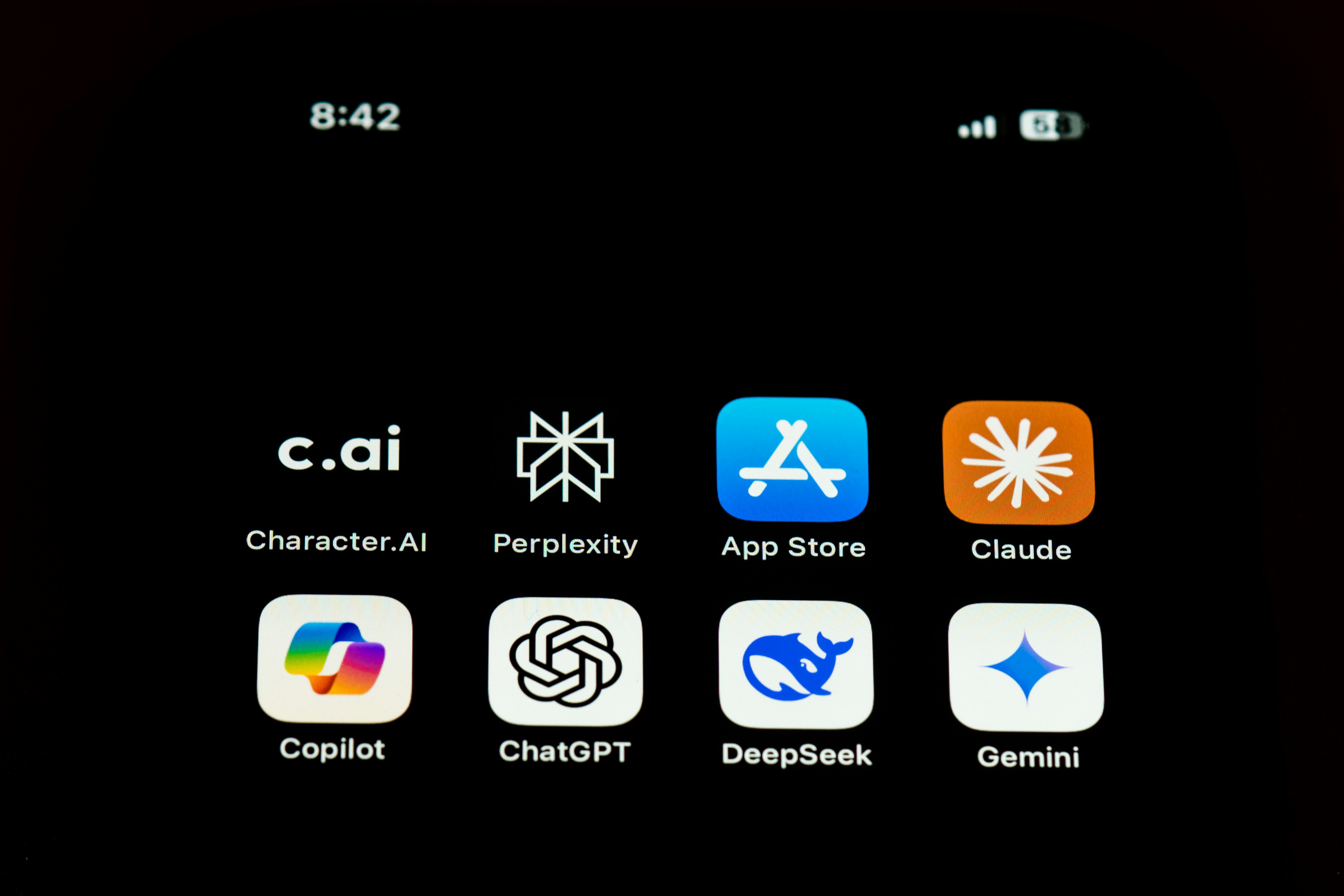 Hugging Face has gained popularity for its open-source platform that provides access to state-of-the-art machine learning models, particularly in natural language processing. The platform’s user-friendly interface and extensive model library make it an attractive alternative for developers and researchers.
 Unlike fossil fuels, which release carbon dioxide and other harmful pollutants into the atmosphere when burned, renewable energy sources produce little to no emissions, making them a cleaner alternative for power generation. This includes solar, wind, hydroelectric, geothermal, and biomass energy. Renewable energy refers to energy sourced from natural processes that are continuously replenished.
 Cost Considerations: Depending on the scale of use, the pricing model of Cursor AI may not be feasible for all users, particularly small businesses or startups. User Experience: The interface and usability of a platform can significantly affect productivity; some users may prefer a different user experience. Integration Needs: Businesses often use multiple tools and platforms, and compatibility with existing systems is crucial. Specific Features: Some users may require specialized features that Free Cursor Alternatives AI does not provide.
 Multi-touch gestures, such as pinch-to-zoom and three-finger swipes, enhance functionality, making trackpads a versatile option for both casual users and professionals. These devices allow users to control the cursor with finger movements, providing a compact and efficient way to navigate without a mouse. Trackpads and touchpads are common on laptops and some external keyboards, offering an alternative to traditional mouse cursors. The integration of haptic feedback in some advanced touchpads also adds a tactile element to the user experience.
As we move forward, it will be exciting to see how these innovations continue to evolve and shape the future of user interaction. Whether you are a creative professional seeking precision, a gamer looking for immersive experiences, or someone with mobility challenges, there is a cursor alternative that can enhance your interaction with digital devices.
 For example, if a primary producer, such as phytoplankton, is affected by rising temperatures, the entire marine food web may be impacted, leading to declines in fish populations and affecting fisheries. Food Web Disruption: Changes in species distributions and population dynamics can disrupt food webs.
Increased Extinction Rates: With changing climates, species that cannot adapt quickly enough may face extinction. A study by the Intergovernmental Panel on Climate Change (IPCC) estimates that up to one million species are at risk of extinction due to climate change, habitat destruction, and other anthropogenic pressures.
 This shift will not only help combat climate change but also create a more sustainable and resilient energy system. As nations commit to ambitious climate targets, the demand for renewable energy is expected to surge. According to the International Energy Agency (IEA), renewable energy could account for nearly 80% of global power generation by 2030 if current trends continue.
 While there are significant ethical and technical challenges to overcome, the development of BCIs could redefine the boundaries of interaction and accessibility. Imagine a world where users can navigate applications, send messages, or control smart devices simply by thinking about the action.
Transitioning to renewable energy is essential for several reasons: The burning of fossil fuels for energy is the largest single source of greenhouse gas emissions, accounting for over 70% of total emissions globally.
Public Awareness and Education: Raising awareness about the importance of biodiversity and the impacts of climate change is vital for fostering public support for conservation initiatives and climate action.
 Many stylus devices come equipped with pressure sensitivity, allowing for varied line thickness and shading, making them ideal for creative applications. Styluses are particularly favored by graphic designers, artists, and note-takers, as they offer a level of control that a finger cannot match. For those who require precision in their digital interactions, stylus pens have emerged as a popular cursor alternative. Brands like Apple Pencil and Microsoft Surface Pen have set the standard for high-quality stylus technology, providing users with a seamless experience on touchscreen devices.
As cities continue to grow and evolve, understanding the dynamics of social interactions in public spaces will be crucial for urban planners and community organizers. By fostering inclusive environments that encourage interaction, cities can enhance the well-being of their residents and promote a sense of belonging.
Additionally, advancements in smart grid technology are enhancing energy management and efficiency. The future of renewable energy looks promising, with technological advancements and decreasing costs driving growth. Innovations in energy storage, such as batteries and pumped hydro storage, are improving the feasibility of integrating renewable sources into the energy grid.
Hugging Face has gained popularity for its open-source platform that provides access to state-of-the-art machine learning models, particularly in natural language processing. The platform’s user-friendly interface and extensive model library make it an attractive alternative for developers and researchers.Unlike fossil fuels, which release carbon dioxide and other harmful pollutants into the atmosphere when burned, renewable energy sources produce little to no emissions, making them a cleaner alternative for power generation. This includes solar, wind, hydroelectric, geothermal, and biomass energy. Renewable energy refers to energy sourced from natural processes that are continuously replenished.Cost Considerations: Depending on the scale of use, the pricing model of Cursor AI may not be feasible for all users, particularly small businesses or startups. User Experience: The interface and usability of a platform can significantly affect productivity; some users may prefer a different user experience. Integration Needs: Businesses often use multiple tools and platforms, and compatibility with existing systems is crucial. Specific Features: Some users may require specialized features that Free Cursor Alternatives AI does not provide.Multi-touch gestures, such as pinch-to-zoom and three-finger swipes, enhance functionality, making trackpads a versatile option for both casual users and professionals. These devices allow users to control the cursor with finger movements, providing a compact and efficient way to navigate without a mouse. Trackpads and touchpads are common on laptops and some external keyboards, offering an alternative to traditional mouse cursors. The integration of haptic feedback in some advanced touchpads also adds a tactile element to the user experience.As we move forward, it will be exciting to see how these innovations continue to evolve and shape the future of user interaction. Whether you are a creative professional seeking precision, a gamer looking for immersive experiences, or someone with mobility challenges, there is a cursor alternative that can enhance your interaction with digital devices.For example, if a primary producer, such as phytoplankton, is affected by rising temperatures, the entire marine food web may be impacted, leading to declines in fish populations and affecting fisheries. Food Web Disruption: Changes in species distributions and population dynamics can disrupt food webs.Increased Extinction Rates: With changing climates, species that cannot adapt quickly enough may face extinction. A study by the Intergovernmental Panel on Climate Change (IPCC) estimates that up to one million species are at risk of extinction due to climate change, habitat destruction, and other anthropogenic pressures.
This shift will not only help combat climate change but also create a more sustainable and resilient energy system. As nations commit to ambitious climate targets, the demand for renewable energy is expected to surge. According to the International Energy Agency (IEA), renewable energy could account for nearly 80% of global power generation by 2030 if current trends continue.While there are significant ethical and technical challenges to overcome, the development of BCIs could redefine the boundaries of interaction and accessibility. Imagine a world where users can navigate applications, send messages, or control smart devices simply by thinking about the action.Transitioning to renewable energy is essential for several reasons: The burning of fossil fuels for energy is the largest single source of greenhouse gas emissions, accounting for over 70% of total emissions globally.
Public Awareness and Education: Raising awareness about the importance of biodiversity and the impacts of climate change is vital for fostering public support for conservation initiatives and climate action.Many stylus devices come equipped with pressure sensitivity, allowing for varied line thickness and shading, making them ideal for creative applications. Styluses are particularly favored by graphic designers, artists, and note-takers, as they offer a level of control that a finger cannot match. For those who require precision in their digital interactions, stylus pens have emerged as a popular cursor alternative. Brands like Apple Pencil and Microsoft Surface Pen have set the standard for high-quality stylus technology, providing users with a seamless experience on touchscreen devices.