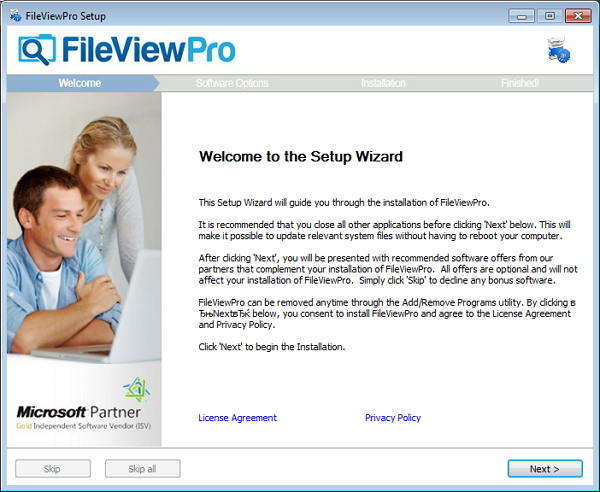
 A SMIL file is a multimedia presentation file that coordinates audio, video, images, text, captions, and animations according to a defined timeline. SMIL stands for Synchronized Multimedia Integration Language, and the term is commonly pronounced "smile." Because SMIL is a specialized format, many users may not have a compatible program installed when they encounter one. FileViewPro offers a convenient software solution for opening and examining SMIL files without requiring users to search through several unfamiliar applications.
1. A SMIL File Is a Multimedia Instruction File
A SMIL file is best understood as a set of instructions rather than a conventional video or audio recording. It tells compatible software which media files to load, where they should appear, when they should begin, how long they should remain active, and whether they should play simultaneously or in sequence. The World Wide Web Consortium developed SMIL as an XML-based language for describing synchronized multimedia presentations.
2. FileViewPro Can Help You Open a SMIL File
When Windows does not recognize a SMIL file, FileViewPro can provide a straightforward way to open and inspect it. FileViewPro is designed as a universal file viewer that supports documents, videos, music, images, text files, and numerous specialized formats. The FileViewPro website specifically identifies SMIL as a Synchronized Multimedia Integration Language presentation format.
3. SMIL Files Usually Do Not Contain the Actual Media
A SMIL file commonly stores references to separate videos, audio recordings, images, captions, and text files. For example, it may contain an instruction pointing to `presentation.mp4` or `narration.mp3`, but the actual video and sound remain stored in those external files. This explains why a SMIL file may only be a few kilobytes even when the complete presentation includes large media assets.
4. FileViewPro Can Help You Inspect the File’s Contents
Because SMIL is based on XML, its underlying instructions are stored as structured text. Opening the file with FileViewPro may help users inspect its contents and identify references to missing videos, images, audio recordings, or online resources. This can be particularly useful when the original presentation no longer plays or when Windows displays an unknown-file error.
5. SMIL Files Synchronize Different Types of Media
The main purpose of SMIL is to make multiple media elements work together. A SMIL presentation might display an image while playing narration, show captions during a video, replace one slide with another after a defined period, or play several audio tracks in a particular order. The W3C describes SMIL as a language capable of defining presentations such as slideshows synchronized with audio and videos synchronized with text streams.
6. SMIL Uses Timing Instructions
Timing is one of the most important features of a SMIL file. The code can specify when a media element begins, how long it plays, when it ends, and whether it repeats. An audio recording could begin five seconds after the presentation starts, while an image might remain visible for 30 seconds. These timing instructions allow SMIL to function as a detailed multimedia timeline.
7. SMIL Can Play Media in Sequence or in Parallel
SMIL supports both sequential and simultaneous playback. A sequence may play an introduction, followed by a lesson and then an ending segment. A parallel arrangement may display a photograph while playing narration and showing captions at the same time. This ability to coordinate separate assets makes SMIL more advanced than a simple playlist file.
8. FileViewPro Can Help Identify Missing File References
A SMIL presentation may fail because one or more referenced media files have been renamed, deleted, moved, or made unavailable. By examining the file through FileViewPro, users may be able to locate entries containing file paths or web addresses. These references can reveal which supporting assets the presentation expects and help users troubleshoot blank screens, missing audio, broken images, or file-not-found messages.
9. SMIL Files May Reference Local or Online Content
A SMIL file can point to media stored in the same folder, a subfolder, another location on the computer, a network drive, or a remote website. A local reference might point to `media/video.mp4`, while an online reference could direct the player to a web-hosted audio stream. The presentation may stop working if the specified location is no longer accessible.
10. SMIL Files Have Several Practical Uses
SMIL has been used for multimedia presentations, online training, streaming-media configurations, accessibility tools, digital signage, and multimedia messaging. A digital sign, for example, may use SMIL instructions to display an advertisement, play background audio, show an announcement, and repeat the entire sequence at scheduled intervals.
11. The `.SMIL` and `.SMI` Extensions Can Cause Confusion
The most common extension is `.smil`, although some files use `.smi`. The `.smi` extension may also be associated with SAMI subtitle files, which are not necessarily the same as complete SMIL multimedia presentations. Opening the file with a flexible viewer such as FileViewPro can help users inspect its structure and determine what type of content it contains.
12. FileViewPro Can Simplify Unknown-File Errors
A common problem occurs when a user double-clicks a SMIL file and Windows asks which application should be used to open it. Instead of downloading several unrelated programs, users can try FileViewPro as a centralized file-opening solution. FileViewPro was developed to reduce the frustration of not having the correct application installed for an unfamiliar file.
Should you have just about any inquiries relating to where by along with how you can utilize SMIL file windows, you can call us at our web page. 13. A SMIL File May Not Run Without Its Supporting Files
Even if the SMIL document itself opens correctly, the complete presentation may not play when its supporting media is missing. Users may need the accompanying MP4, MP3, JPG, PNG, caption, or text files. The folder structure may also need to remain unchanged because the SMIL document could rely on relative file paths.
14. FileViewPro Can Support Basic File Investigation
FileViewPro can serve as a useful first step when investigating an unfamiliar SMIL file. Users can attempt to open the document, review its readable content, identify referenced media, examine file information, and determine whether additional software or missing assets are required. This is especially helpful when the user does not know where the file originated.
15. Editing a SMIL File Requires Care
Because SMIL is structured XML, changing a filename, timing value, tag, quotation mark, or file path can affect how the presentation behaves. FileViewPro may help users view or inspect supported file content, but complex SMIL authoring and precise code editing may require a dedicated XML or text editor. Users should create a backup before modifying the original file.
16. FileViewPro Can Assist With Troubleshooting, but It Is Not a Full SMIL Debugger
FileViewPro can help reveal readable code, file references, and possible causes of common problems, but it should not be described as a complete programming debugger or specialized SMIL authoring environment. A full debugger would normally validate the XML structure, test timing instructions, report unsupported elements, and simulate presentation playback. FileViewPro is better positioned as an accessible tool for opening, viewing, inspecting, and performing an initial investigation of the file.
17. Opening and Running a SMIL Presentation Are Different Actions
Opening a SMIL file means that the software can read or display the file itself. Running it means interpreting all its timing, layout, synchronization, and media instructions as a complete presentation. FileViewPro may allow the user to access or inspect the document, while full playback can still depend on the specific SMIL features used, the availability of referenced media, and the capabilities of the installed software.
18. A SMIL File Cannot Usually Be Converted Like a Normal Video
A SMIL file cannot generally be converted to MP4 simply by renaming its extension. Since the document may contain only instructions and references, conversion requires obtaining all associated media, recreating the timing and layout, and rendering or recording the finished presentation. FileViewPro can help users examine the file before deciding what additional conversion steps are necessary.
19. SMIL Is Less Common in Modern Consumer Software
Standalone SMIL presentations are less widely used today because many of their functions can now be handled by HTML5 video, HTML5 audio, WebVTT captions, CSS animation, Javascript, HLS, MPEG-DASH, and specialized content-management platforms. However, SMIL still appears in older archives, streaming configurations, digital-signage systems, accessibility projects, and certain multimedia applications.
20. SMIL Technology Is Not Completely Obsolete
Although complete `.smil` presentations are less common, SMIL-related concepts remain relevant. SVG files, for example, can use SMIL-derived animation elements to control motion, transformation, and timing. Specialized digital-signage and media-delivery systems may also continue to rely on SMIL because its timeline and scheduling model remains useful.
21. SMIL Files Are Generally Text-Based but Should Still Be Handled Carefully
A SMIL file is normally plain XML text rather than an executable Windows program. Nevertheless, it may reference remote websites, media streams, or files stored elsewhere on the computer. Users should avoid opening files from untrusted sources without checking them first. FileViewPro can provide a practical way to inspect an unfamiliar file before attempting to access all its linked content.
22. How to Open a SMIL File With FileViewPro
To open a SMIL file, install FileViewPro, launch the program, and select the file from the software’s opening interface. Users may also be able to right-click the file in Windows, choose Open with, and select FileViewPro. After opening it, review the available content and look for media references, file paths, URLs, timing values, or other instructions that explain how the presentation was constructed.
23. What to Check When a SMIL File Does Not Work
When a SMIL file fails to display correctly, check whether its referenced videos, audio files, images, and captions are still available. Confirm that filenames and folder locations have not changed, inspect any web links for availability, and determine whether the presentation requires an older or specialized player. Opening the file in FileViewPro can help expose information needed for this troubleshooting process.
24. Why FileViewPro Is a Practical First Choice
FileViewPro is useful for users who regularly encounter unfamiliar file extensions and do not want to install a different application for every format. It provides one central program for opening many categories of files, including documents, media, images, text, and less familiar file types. Its official feature pages describe it as a broad file-viewing solution capable of handling numerous forms of content.
Open, View, and Investigate SMIL Files With FileViewPro
A SMIL file is a synchronized multimedia instruction document that may coordinate video, audio, images, text, captions, and animations. Because it often relies on separate supporting files and specialized playback software, opening one can be confusing. FileViewPro provides a convenient starting point for accessing the file, inspecting its contents, locating referenced media, and troubleshooting common opening problems without searching for multiple individual programs.
 Les évolutions Cheveux Pour L'automne 2021

