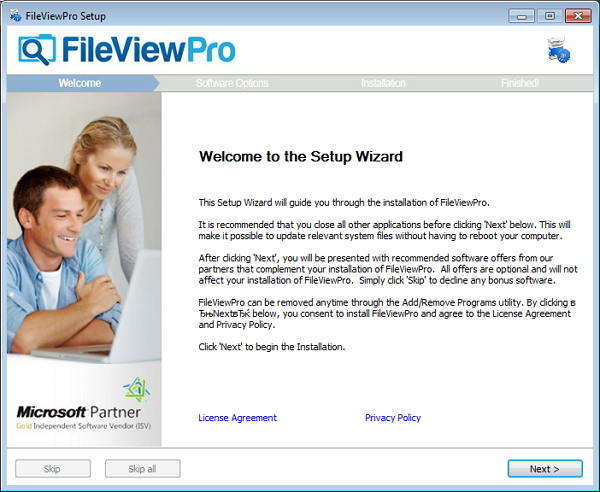
 An SLO file is a specialized file format used by various software applications, meaning there is no single universal definition for the `.SLO` extension. The most well-known type is the RenderMan Compiled Shader Object, which contains precompiled shader code used in 3D rendering. However, some games, engineering applications, and proprietary software also use the `.SLO` extension for entirely different purposes. Because of this, the best way to determine what kind of SLO file you have is to identify the application that created it. If you're unsure, FileViewPro provides an easy way to open, inspect, and analyze SLO files without needing to install multiple specialized programs.
What Is an SLO File?
An SLO file is a data file whose purpose depends on the software that created it. While the extension remains the same, its contents can vary significantly. Some SLO files contain compiled shader programs for professional rendering software, while others may store game resources, configuration data, or proprietary binary information. Since Windows cannot determine the file's purpose from the extension alone, you'll typically need compatible software—or a universal file viewer like FileViewPro—to inspect the file and determine its contents.
RenderMan Compiled Shader Object Files
The most recognized SLO format is the RenderMan Compiled Shader Object developed for Pixar's RenderMan rendering engine. These files are generated by compiling RenderMan Shader Language (RSL) source code and are loaded during rendering to define how surfaces, lighting, textures, and displacement effects appear in a 3D scene. Rather than containing images or models themselves, SLO files act as compiled instructions that tell the renderer how objects should look.
Other Programs That Use SLO Files
Although RenderMan is the best-known use of the SLO extension, several other applications—including older games, simulation software, and proprietary engineering programs—have adopted the same extension for their own internal data. These formats are generally incompatible with one another, so an SLO file from one application cannot typically be opened by another. This makes identifying the originating software especially important before attempting to edit or convert the file.
Check Where the SLO File Came From
The easiest way to identify an SLO file is by considering where you obtained it. If it came from a RenderMan, Maya, Houdini, or other professional 3D graphics project, it is likely a compiled shader. In the event you loved this information and also you would like to be given more details concerning SLO file error generously check out our own web-page. If it originated from a game installation, industrial software package, or a custom application, it may represent a completely different proprietary format. Knowing the source often provides the strongest clue to the file's purpose.
Examine the Folder Contents
The files located beside an SLO file can reveal a great deal about its purpose. For example, if the folder also contains `.SL`, `.RIB`, or texture files, it likely belongs to a RenderMan rendering project. On the other hand, if the directory contains executable files, game assets, or custom application data, the SLO file is probably part of that software's internal resources. Looking at neighboring files often helps identify the correct application without opening the file itself.
Inspect the Filename
Many SLO filenames provide hints about their contents. Names such as glass.slo, wood.slo, or metal_shader.slo typically suggest compiled rendering shaders, while generic names like data.slo, config.slo, or level01.slo may indicate application resources or game data. Although filenames alone cannot confirm the format, they often offer useful context when combined with other clues.
View the File Properties
Windows File Explorer can provide helpful information about an SLO file. By viewing its properties, you can determine its location, size, modification date, and sometimes the application associated with it. Enabling file extensions in Windows also helps ensure that the file is genuinely an `.SLO` file rather than another format disguised with a misleading name.
Open the File in a Text Editor
Some SLO files may contain readable text, while others are entirely binary. Opening a copy of the file in a text editor such as Notepad++ can reveal whether it contains source code, configuration data, or embedded strings. Compiled shader files generally appear as unreadable binary data, although occasional readable words such as shader names or parameter labels may still be visible.
Analyze the File with a Hex Editor
A hex editor allows you to inspect the raw contents of an SLO file. Even when the data itself is binary, you may discover embedded text identifying the originating application, software vendor, or file version. Searching for terms like "RenderMan," "Pixar," "shader," or other recognizable strings can often help determine the file's purpose without modifying the file itself.
Use File Identification Tools
Utilities such as TrID or the Linux file command examine the internal structure of a file instead of relying solely on its extension. These tools compare the file against databases of known signatures and may identify whether it is a RenderMan shader, proprietary binary file, or another recognized format. Although not every custom format is supported, they can provide valuable clues when the file's origin is unknown.
Search for Embedded Text Strings
Specialized utilities can extract readable text from binary files without altering them. Embedded strings such as software names, shader parameters, file paths, or version information often reveal which application created the SLO file. This technique is especially useful when the file itself cannot be opened directly by standard programs.
Find Which Application References the File
If the SLO file is part of a larger project, searching nearby configuration files or scene files may reveal references to it. Rendering projects, for example, often contain scene descriptions that load specific shader files. Likewise, games and engineering software frequently reference SLO files in configuration files, making it easier to identify their intended use.
Can You Edit an SLO File?
Whether an SLO file can be edited depends entirely on its format. Compiled RenderMan shader files generally cannot be edited directly because they are compiled binaries; instead, the original source file must be modified and recompiled. Proprietary SLO files from games or industrial software may also require the original application to make changes. FileViewPro allows you to inspect many file types and determine whether they contain editable information before attempting any modifications.
How FileViewPro Helps Open SLO Files
When you're unsure which application created an SLO file, FileViewPro provides a convenient starting point. Instead of searching for multiple specialized programs, FileViewPro can open, view, inspect, and analyze thousands of file formats from a single interface. Depending on the underlying file type, it can help you examine file contents, preview binary data, identify associated information, and determine the software required to work with the file. This makes it an excellent first step when encountering an unfamiliar SLO file.
Final Thoughts
Because the `.SLO` extension is used by multiple software applications, correctly identifying the file's origin is essential before attempting to edit, convert, or execute it. Examining the file's source, surrounding files, internal structure, and embedded information can usually reveal its purpose. If you're looking for a simple way to open and inspect an unknown SLO file, FileViewPro offers an all-in-one solution for viewing, identifying, and working with a wide variety of file formats without the need to install numerous specialized applications.
