 OpenCursor: This project focuses on providing high-quality cursor sets that are free to use. Users can download complete sets and apply them to their operating systems, ensuring a cohesive look across their digital workspace. OpenCursor features a variety of styles, from minimalist designs to more elaborate graphics.
In education, AI-driven tools can provide personalized learning experiences, adapting to the needs of individual students. Natural language processing has also seen significant improvements, allowing machines to understand and generate human language more effectively. AI models like OpenAI's GPT-3 and Google's BERT have demonstrated the ability to engage in coherent conversations, summarize texts, and even create original content. These advancements have implications for customer service, where chatbots can handle inquiries with a level of sophistication that reduces the need for human intervention.
Advanced driver-assistance systems (ADAS) utilize AI to enhance vehicle safety, offering features like lane-keeping assistance, adaptive cruise control, and automatic emergency braking. In the realm of autonomous vehicles, AI has made significant progress, with companies like Tesla, Waymo, and Uber leading the charge. While fully autonomous vehicles are still in the testing phase, the technology continues to evolve, promising to reshape transportation and reduce traffic accidents in the future.
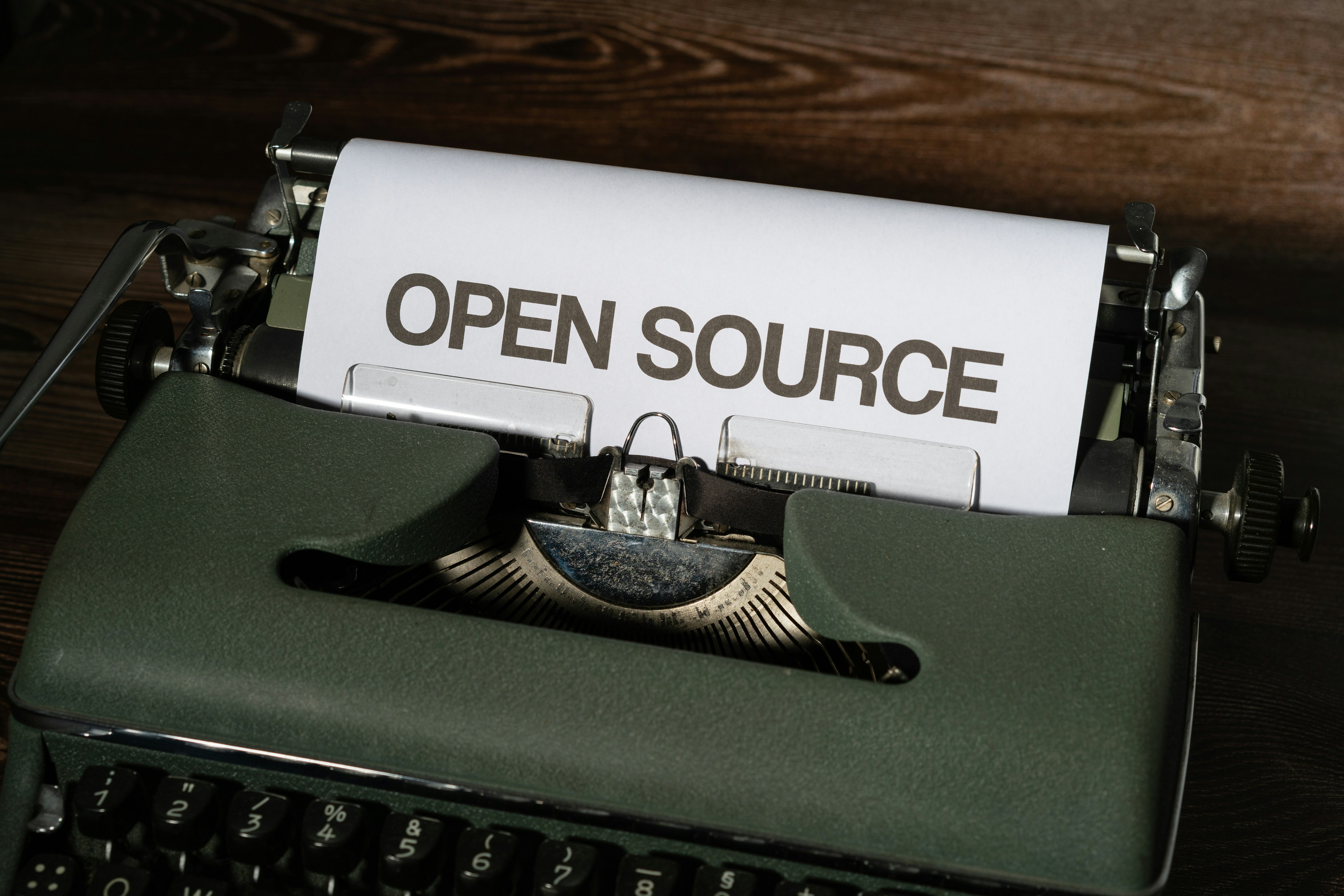 Best Cursor Alternatives.css: Cursor.css is a lightweight CSS library that provides a collection of custom cursors for web applications. The library is frequently updated with new designs, making it a go-to resource for modern web development. With a focus on simplicity and ease of use, Cursor.css allows developers to quickly implement stylish cursors without extensive coding.By providing cursors that are easy to see and interact with, developers can create a more inclusive digital environment. Accessibility: Open source cursor alternatives can be designed with accessibility in mind, catering to users with visual impairments or other disabilities.
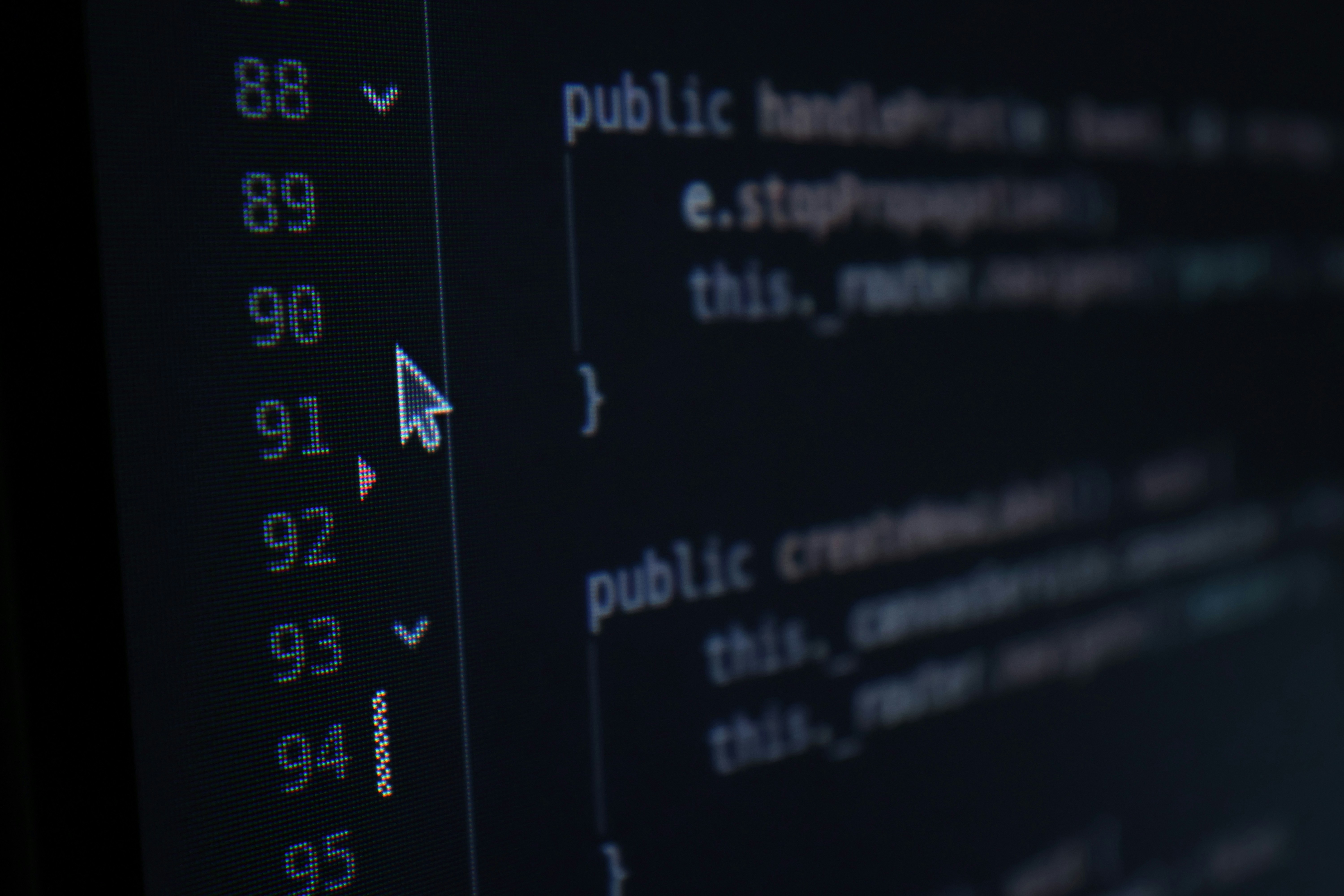 Cost-Effectiveness: Open source solutions are typically free to use, making them an attractive option for startups and independent developers. This cost-effectiveness allows for the allocation of resources to other critical areas of development, such as functionality and user testing.
 This technology has enabled breakthroughs in image and speech recognition, natural language processing (NLP), and autonomous systems. One of the most significant advancements in AI is the development of deep learning algorithms, which have revolutionized machine learning. Deep learning, a subset of machine learning, utilizes neural networks with many layers (hence "deep") to analyze vast amounts of data. For instance, AI-powered image recognition systems can now identify objects, faces, and even emotions with remarkable accuracy, leading to applications in security, healthcare, and social media.Among the myriad elements that contribute to UX, the cursor plays a pivotal role, serving as a primary interface between users and their digital environments. In the rapidly evolving landscape of software development, user experience (UX) has emerged as a critical factor in determining the success of applications. This article delves into the realm of open source cursor alternatives, exploring their benefits, notable projects, and the impact they have on user experience. While proprietary cursor solutions exist, open source alternatives have gained traction, offering flexibility, customization, and community-driven innovation.
 Despite these advancements, the rise of AI also raises ethical and societal concerns. Issues such as data privacy, algorithmic bias, and job displacement are critical considerations that must be addressed as AI technologies continue to proliferate. Policymakers, technologists, and ethicists must collaborate to establish guidelines and regulations that ensure AI is used responsibly and equitably. The potential for AI to perpetuate existing biases in decision-making processes, particularly in hiring or law enforcement, necessitates a commitment to fairness and transparency in AI development.
 The future of renewable energy looks promising, with technological advancements and decreasing costs driving growth. Additionally, advancements in smart grid technology are enhancing energy management and efficiency. Innovations in energy storage, such as batteries and pumped hydro storage, are improving the feasibility of integrating renewable sources into the energy grid.Imagine a world where users can navigate applications, send messages, or control smart devices simply by thinking about the action. While there are significant ethical and technical challenges to overcome, the development of BCIs could redefine the boundaries of interaction and accessibility.
Cursors are more than mere pointers on a screen; they are essential tools that facilitate interaction within software applications. A well-designed cursor can enhance usability, improve accessibility, and provide visual feedback that guides users through their tasks. Conversely, a poorly designed cursor can lead to frustration, decreased productivity, and a negative perception of the software.