In conclusion, sealcoating your asphalt driveway is an essential part of maintaining its integrity and appearance. By understanding the factors that influence how often you should sealcoat and taking proactive steps to care for your driveway, you can ensure that it remains a valuable asset for years to come. Regular maintenance not only enhances your home’s curb appeal but also saves you money in the long run by extending the lifespan of your driveway.
By protecting it from the elements and harmful substances, you can delay the need for costly repairs or even complete replacement. Extended Lifespan: Regular sealcoating can significantly extend the life of your asphalt driveway.
In areas with freeze-thaw cycles, for instance, replacement may be a more viable option to ensure durability. Weather Conditions: Regions with extreme weather conditions may experience faster deterioration of asphalt, influencing the decision between overlay and replacement.
Urban areas with a higher cost of living may see higher labor and material costs compared to rural areas. Additionally, local regulations and environmental considerations can influence the choice of materials and methods, thereby affecting pricing. Geographic Location: Costs can vary widely based on geographic location.
Asphalt rollers, also known as road rollers or compaction rollers, come in various sizes and types, including static, vibratory, and pneumatic rollers. Understanding the different types of asphalt rollers is crucial, as it directly impacts rental costs. Each type serves a specific purpose, and the choice of roller depends on the project requirements, including the size of the area to be compacted and the type of material used.
Asphalt rollers are essential equipment in road construction and maintenance projects, particularly for compacting asphalt and ensuring a smooth surface. When considering a construction project, one of the critical factors project managers must evaluate is the cost of renting the necessary equipment. This case study delves into the daily rental costs of asphalt rollers, examining various factors that influence pricing and providing insights to help contractors make informed decisions.
Total Cost Calculation: Considering all factors, the total cost for asphalt resurfacing typically ranges from $3 to $8 per square foot. For example, a 600-square-foot driveway could cost anywhere from $1,800 to $4,800, depending on the aforementioned factors.
Traffic Volume: High-traffic areas may require thicker overlays or more robust replacement solutions, impacting costs. An overlay may not provide adequate support for heavy loads, leading to premature failure.
For a standard residential driveway, homeowners can expect to pay around $3 per square foot for materials. Material Costs: The cost of asphalt material typically ranges from $2 to $4 per square foot, depending on the type of mix used.
Therefore, the total additional costs amount to $400. Additional Costs: The rental company charges a delivery fee of $150, an insurance fee of $100, and a pickup fee of $150. If you have any queries with regards to where by and how to use Road Construction Calculator, you can contact us at our web-site. Rental Duration: For ten days, the initial calculation would be 10 days x $250/day = $2,500. Type of Roller: ABC Construction opts for a mid-sized vibratory roller, which has a daily rental rate of $250.
Type of Roller: Different types of rollers come with different rental prices. Pneumatic rollers, which are often used for more specialized applications, may fall within a similar range. For instance, a small vibratory roller may cost around $150 to $300 per day, while larger tandem rollers can range from $300 to $600 per day.
As the construction industry continues to evolve, staying informed about rental costs and market trends will remain crucial for project success. By considering factors such as the type of roller, rental duration, location, equipment condition, and additional fees, companies can make informed decisions that align with their budgetary constraints. With strategic planning and cost-saving measures, contractors like ABC Construction can effectively manage their rental expenses, ensuring successful project completion while maintaining financial efficiency. Understanding the daily rental costs of asphalt rollers is essential for contractors managing road construction projects.
Older driveways may need more frequent applications, especially if they show signs of cracking or fading. Age of the Asphalt: New asphalt driveways typically require sealcoating after the first year, as they are still curing and can benefit from the added protection.
Asphalt replacement involves completely removing the existing asphalt surface and replacing it with new material. This method is necessary when the underlying base is compromised, or when the surface has extensive damage that cannot be effectively repaired with an overlay.
 Property owners can save a substantial amount of money while still improving the surface's condition. Cost-Effectiveness: One of the most significant advantages of an overlay is its lower cost compared to full replacement.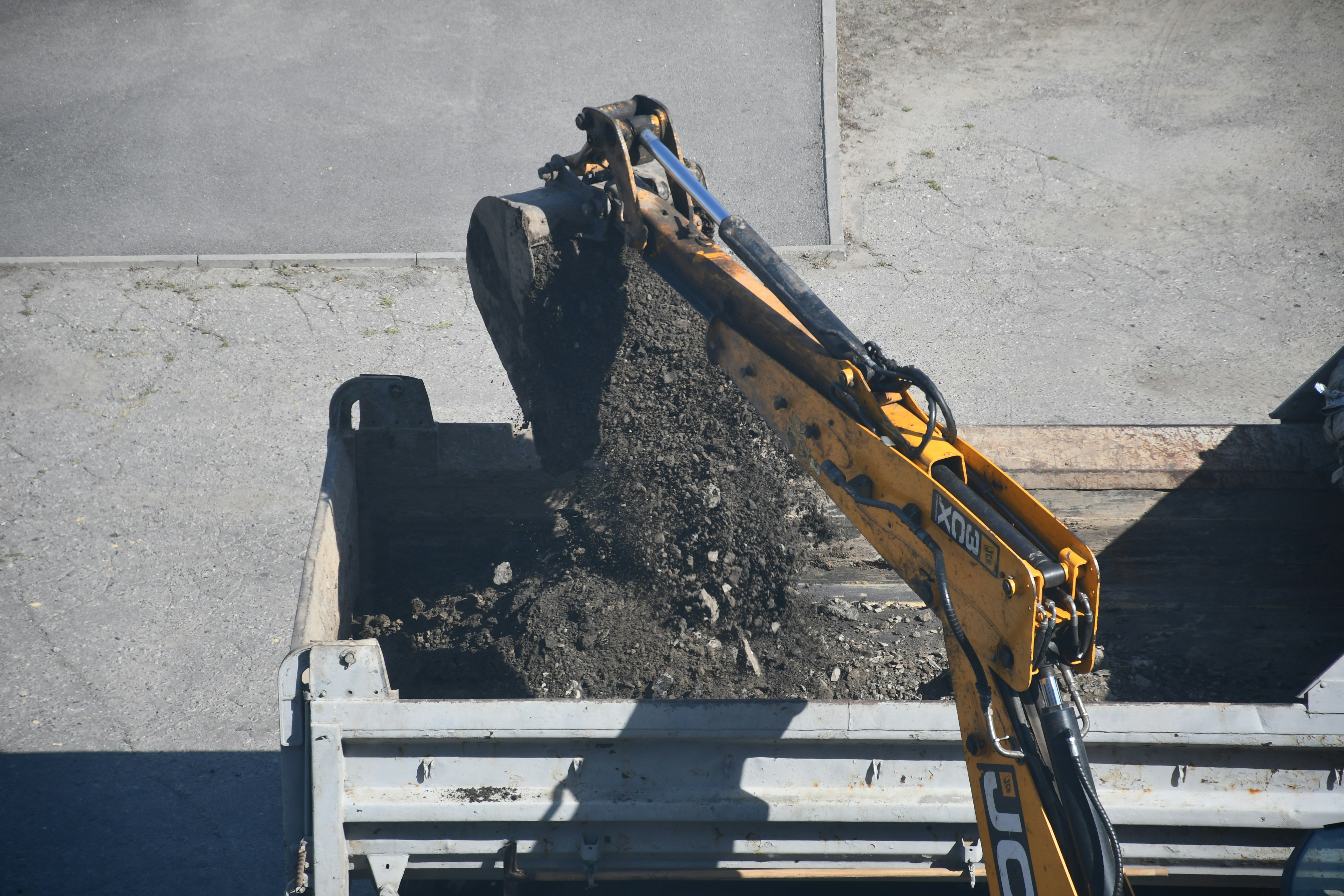
By protecting it from the elements and harmful substances, you can delay the need for costly repairs or even complete replacement. Extended Lifespan: Regular sealcoating can significantly extend the life of your asphalt driveway.
In areas with freeze-thaw cycles, for instance, replacement may be a more viable option to ensure durability. Weather Conditions: Regions with extreme weather conditions may experience faster deterioration of asphalt, influencing the decision between overlay and replacement.
Urban areas with a higher cost of living may see higher labor and material costs compared to rural areas. Additionally, local regulations and environmental considerations can influence the choice of materials and methods, thereby affecting pricing. Geographic Location: Costs can vary widely based on geographic location.
Asphalt rollers, also known as road rollers or compaction rollers, come in various sizes and types, including static, vibratory, and pneumatic rollers. Understanding the different types of asphalt rollers is crucial, as it directly impacts rental costs. Each type serves a specific purpose, and the choice of roller depends on the project requirements, including the size of the area to be compacted and the type of material used.
Asphalt rollers are essential equipment in road construction and maintenance projects, particularly for compacting asphalt and ensuring a smooth surface. When considering a construction project, one of the critical factors project managers must evaluate is the cost of renting the necessary equipment. This case study delves into the daily rental costs of asphalt rollers, examining various factors that influence pricing and providing insights to help contractors make informed decisions.
Total Cost Calculation: Considering all factors, the total cost for asphalt resurfacing typically ranges from $3 to $8 per square foot. For example, a 600-square-foot driveway could cost anywhere from $1,800 to $4,800, depending on the aforementioned factors.
Traffic Volume: High-traffic areas may require thicker overlays or more robust replacement solutions, impacting costs. An overlay may not provide adequate support for heavy loads, leading to premature failure.
For a standard residential driveway, homeowners can expect to pay around $3 per square foot for materials. Material Costs: The cost of asphalt material typically ranges from $2 to $4 per square foot, depending on the type of mix used.
Therefore, the total additional costs amount to $400. Additional Costs: The rental company charges a delivery fee of $150, an insurance fee of $100, and a pickup fee of $150. If you have any queries with regards to where by and how to use Road Construction Calculator, you can contact us at our web-site. Rental Duration: For ten days, the initial calculation would be 10 days x $250/day = $2,500. Type of Roller: ABC Construction opts for a mid-sized vibratory roller, which has a daily rental rate of $250.
Type of Roller: Different types of rollers come with different rental prices. Pneumatic rollers, which are often used for more specialized applications, may fall within a similar range. For instance, a small vibratory roller may cost around $150 to $300 per day, while larger tandem rollers can range from $300 to $600 per day.
As the construction industry continues to evolve, staying informed about rental costs and market trends will remain crucial for project success. By considering factors such as the type of roller, rental duration, location, equipment condition, and additional fees, companies can make informed decisions that align with their budgetary constraints. With strategic planning and cost-saving measures, contractors like ABC Construction can effectively manage their rental expenses, ensuring successful project completion while maintaining financial efficiency. Understanding the daily rental costs of asphalt rollers is essential for contractors managing road construction projects.
Older driveways may need more frequent applications, especially if they show signs of cracking or fading. Age of the Asphalt: New asphalt driveways typically require sealcoating after the first year, as they are still curing and can benefit from the added protection.
Asphalt replacement involves completely removing the existing asphalt surface and replacing it with new material. This method is necessary when the underlying base is compromised, or when the surface has extensive damage that cannot be effectively repaired with an overlay.
Property owners can save a substantial amount of money while still improving the surface's condition. Cost-Effectiveness: One of the most significant advantages of an overlay is its lower cost compared to full replacement.