 With a variety of options available, from cursor creation tools to extensive libraries of designs, users can find the perfect cursor that suits their style and needs. Free Open Source Cursor Alternatives alternatives offer an exciting opportunity for users to personalize their computing experience. Whether for aesthetic reasons, accessibility, or personal expression, the world of cursor customization is ripe for exploration and innovation. As technology continues to evolve, the importance of customization and accessibility in user interfaces will only grow, making free cursor alternatives an essential aspect of digital interaction.
 This article explores the importance of renewable energy, its various forms, the challenges it faces, and its potential in creating a sustainable future. As the world grapples with the escalating impacts of climate change, the urgency for sustainable solutions has never been more pronounced. Among these solutions, renewable energy stands out as a pivotal element in mitigating the effects of global warming and reducing greenhouse gas emissions.
 Transitioning to renewable energy sources, improving energy efficiency, and promoting sustainable transportation can contribute to this goal. Climate Action: Reducing greenhouse gas emissions is essential to mitigate the impacts of climate change.
For example, AI systems can detect early signs of diseases such as cancer from imaging data, often with greater accuracy than human radiologists. Machine learning algorithms are now being used to analyze medical images, predict patient outcomes, and assist in drug discovery. The healthcare sector has been particularly impacted by AI advancements. Additionally, AI-driven predictive analytics can help healthcare providers identify at-risk patients and personalize treatment plans, ultimately improving patient outcomes and reducing costs.
Additionally, advancements in smart grid technology are enhancing energy management and efficiency. Innovations in energy storage, such as batteries and pumped hydro storage, are improving the feasibility of integrating renewable sources into the energy grid. The future of renewable energy looks promising, with technological advancements and decreasing costs driving growth.
 Geothermal Energy: This energy harnesses heat from the Earth’s core, utilizing steam or hot water from underground reservoirs to generate electricity or provide direct heating. Geothermal energy is particularly effective in regions with volcanic activity.
This shift will not only help combat climate change but also create a more sustainable and resilient energy system. As nations commit to ambitious climate targets, the demand for renewable energy is expected to surge. According to the International Energy Agency (IEA), renewable energy could account for nearly 80% of global power generation by 2030 if current trends continue.
Despite these advancements, the rise of AI also raises ethical and societal concerns. Issues such as data privacy, algorithmic bias, and job displacement are critical considerations that must be addressed as AI technologies continue to proliferate. The potential for AI to perpetuate existing biases in decision-making processes, particularly in hiring or law enforcement, necessitates a commitment to fairness and transparency in AI development. Policymakers, technologists, and ethicists must collaborate to establish guidelines and regulations that ensure AI is used responsibly and equitably.
As temperatures rise, weather patterns shift, and ecosystems are disrupted, countless species are threatened. Climate change is one of the most pressing issues facing the planet today, with profound implications for global biodiversity. This report explores the multifaceted impacts of climate change on biodiversity, the mechanisms through which these effects occur, and potential solutions to mitigate the crisis.
This technology has profound implications for accessibility, particularly for individuals with mobility impairments. Eye tracking can enable users to interact with devices solely through their gaze, providing a new level of independence. Moreover, eye tracking can be utilized in various fields, including gaming, marketing, and research, to analyze user behavior and preferences more effectively.
Various software applications and extensions allow users to change the appearance and behavior of their cursors, from simple color changes to intricate animations. For users who wish to personalize their digital experience, customizable cursors offer an exciting alternative. Custom cursors can enhance visual appeal and provide a unique touch to the user interface, making digital interactions more enjoyable. Additionally, some applications allow users to create cursors that match their specific needs, such as larger cursors for better visibility or themed cursors for a fun aesthetic.
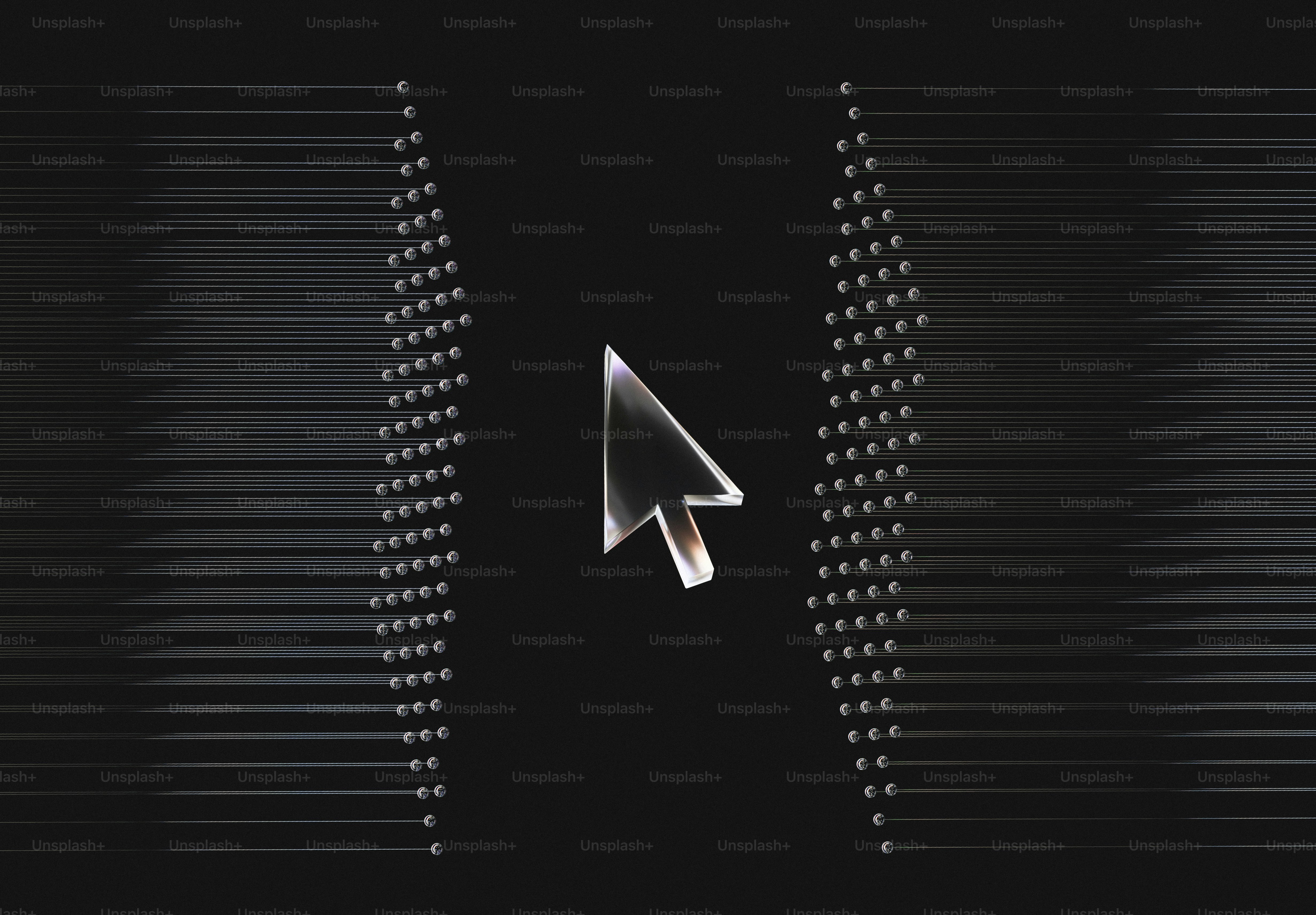 Historically, the cursor has been a simple arrow, guiding users through a graphical user interface (GUI). Touch gestures, such as swiping and pinching, have replaced the traditional mouse pointer, allowing for a more intuitive and direct interaction model. This shift has paved the way for exploring further alternatives that can cater to diverse user needs and preferences. As touchscreens became prevalent, particularly with the rise of smartphones and tablets, the need for cursor alternatives emerged.
 世界十大网站 (访问量最大的网站)


