Each of these activities offers unique benefits, and alternating between them can help prevent burnout and overuse injuries associated with a single type of exercise. Incorporating rowing, cycling, and swimming into a fitness routine can provide a well-rounded approach to aerobic conditioning. For individuals looking to improve their overall fitness, a balanced regimen might include:
However, the transition to the ACFT has not been without challenges. As a result, some soldiers may struggle to meet the new standards, leading to potential disparities in pass rates. Some soldiers have expressed concerns about the increased physical demands of the test, particularly regarding the deadlift and the standing power throw. These events require specific techniques and strength levels that may not have been emphasized in previous training programs.
Gather Performance Data: Before using the calculator, soldiers should record their performance in each event. This includes the number of push-ups and sit-ups completed and the time taken to complete the two-mile run.
However, for fitness enthusiasts, a common benchmark is to complete 500 meters in under two minutes, with advanced rowers aiming for sub-1:30 times. The standard for rowing can vary based on the type of rowing—whether it be on water or using a rowing machine (ergometer). Rowing is an excellent low-impact exercise that engages multiple muscle groups, including the legs, core, back, and arms. For competitive rowing, events are typically measured in distance, with 2,000 meters being the standard for elite-level competitions.
 As with any assessment tool, the ACFT Points Calculator is not without its challenges. One concern is the potential for overemphasis on scoring, which may lead soldiers to prioritize performance over proper form and injury prevention. It is crucial for leaders to reinforce the importance of safe training practices and to ensure that soldiers understand that the ultimate goal is not merely to achieve a high score but to maintain long-term health and readiness.
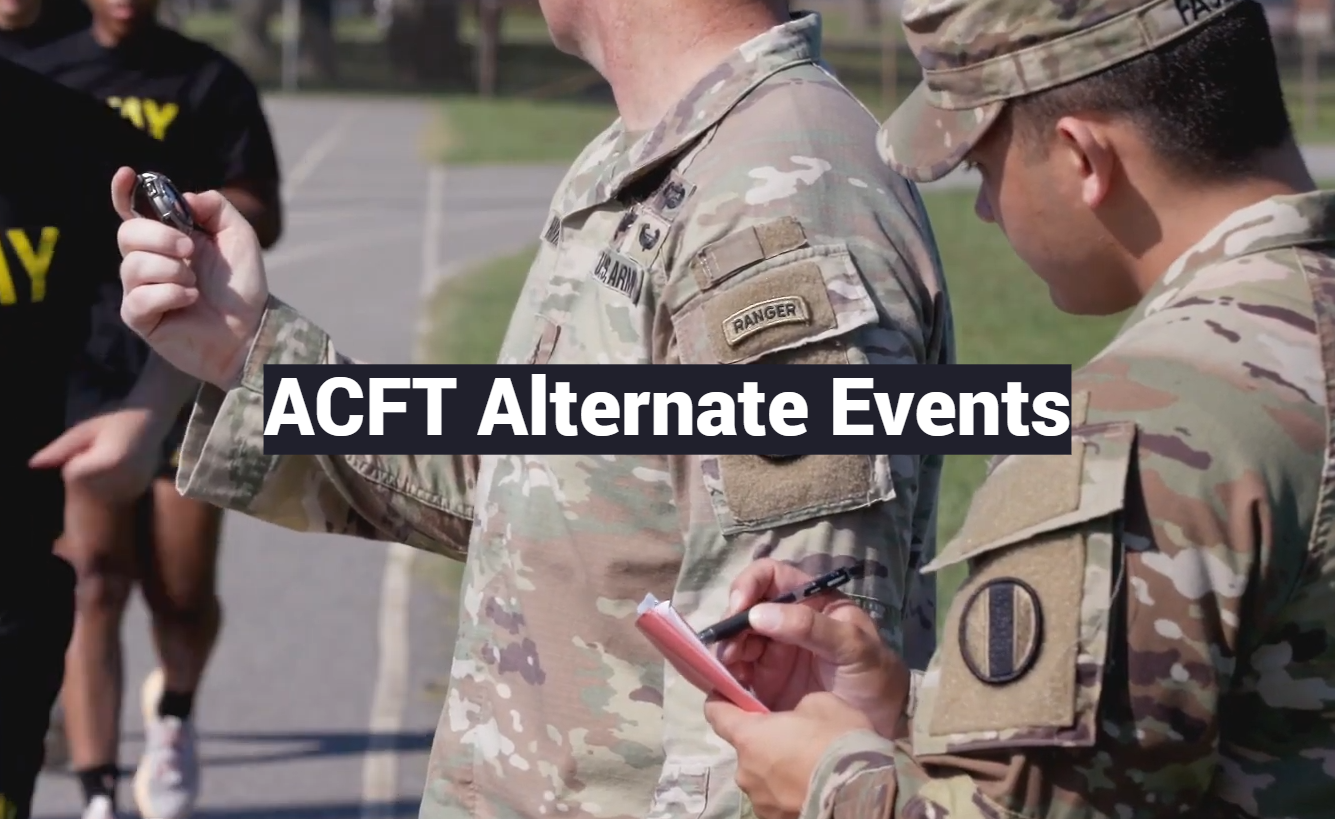 In conclusion, the 2026 ACFT scoring table for male soldiers represents a significant shift in the U.S. While challenges remain in the implementation and acceptance of the ACFT, its potential to foster a culture of fitness, accountability, and teamwork within the ranks is undeniable. As the Army continues to refine the ACFT, it is crucial to maintain a focus on inclusivity and support for all soldiers, ensuring that the test serves as a tool for improvement rather than a barrier to success. Army's approach to physical fitness assessment. By incorporating a broader range of fitness events and establishing performance standards that account for age and gender, the Army aims to enhance soldier readiness and overall effectiveness in combat.
This is crucial in a military environment where diversity in age and gender is prevalent. This adaptability is essential for maintaining the relevance of the ACFT as a measure of soldier readiness. One of the primary functions of the ACFT Points Calculator is to standardize the scoring process. The calculator uses a predetermined scoring scale, which is periodically reviewed and updated to reflect changes in training standards and fitness benchmarks. By utilizing a consistent formula, the calculator ensures that scores are fair and equitable across different demographics.
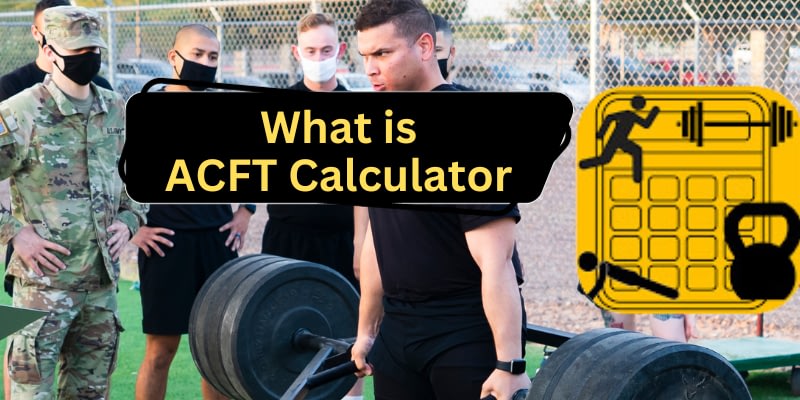 The introduction of the ACFT, which incorporates a variety of exercises designed to simulate the physical demands of combat, has necessitated the development of a robust points calculator. The Army Combat Fitness Test (ACFT) has been a pivotal shift in how physical fitness is assessed in the U.S. This theoretical article explores the significance, structure, and implications of the ACFT Points Calculator, emphasizing its role in enhancing soldier readiness and overall health.
By integrating fitness assessments into a broader framework of soldier health, the ACFT encourages a more balanced approach to military readiness. This holistic perspective is essential in fostering a resilient force capable of meeting the challenges of modern warfare. It emphasizes not only the importance of physical training but also the necessity of mental resilience and overall well-being. Furthermore, the ACFT Points Calculator contributes to the Army's commitment to holistic health and fitness.
By setting personal standards and integrating these alternate aerobic events into a fitness routine, individuals can achieve their health goals while enjoying the myriad benefits these activities offer. As fitness enthusiasts continue to seek diverse and effective ways to maintain their health, alternate aerobic events such as rowing, cycling, and swimming present valuable options. Each of these activities not only provides a rigorous cardiovascular workout but also promotes muscular strength, flexibility, and mental well-being. Embracing variety in aerobic exercises can lead to a more sustainable and enjoyable fitness journey.
However, the transition to the ACFT has not been without challenges. As a result, some soldiers may struggle to meet the new standards, leading to potential disparities in pass rates. Some soldiers have expressed concerns about the increased physical demands of the test, particularly regarding the deadlift and the standing power throw. These events require specific techniques and strength levels that may not have been emphasized in previous training programs.
Gather Performance Data: Before using the calculator, soldiers should record their performance in each event. This includes the number of push-ups and sit-ups completed and the time taken to complete the two-mile run.
However, for fitness enthusiasts, a common benchmark is to complete 500 meters in under two minutes, with advanced rowers aiming for sub-1:30 times. The standard for rowing can vary based on the type of rowing—whether it be on water or using a rowing machine (ergometer). Rowing is an excellent low-impact exercise that engages multiple muscle groups, including the legs, core, back, and arms. For competitive rowing, events are typically measured in distance, with 2,000 meters being the standard for elite-level competitions.
As with any assessment tool, the ACFT Points Calculator is not without its challenges. One concern is the potential for overemphasis on scoring, which may lead soldiers to prioritize performance over proper form and injury prevention. It is crucial for leaders to reinforce the importance of safe training practices and to ensure that soldiers understand that the ultimate goal is not merely to achieve a high score but to maintain long-term health and readiness.In conclusion, the 2026 ACFT scoring table for male soldiers represents a significant shift in the U.S. While challenges remain in the implementation and acceptance of the ACFT, its potential to foster a culture of fitness, accountability, and teamwork within the ranks is undeniable. As the Army continues to refine the ACFT, it is crucial to maintain a focus on inclusivity and support for all soldiers, ensuring that the test serves as a tool for improvement rather than a barrier to success. Army's approach to physical fitness assessment. By incorporating a broader range of fitness events and establishing performance standards that account for age and gender, the Army aims to enhance soldier readiness and overall effectiveness in combat.This is crucial in a military environment where diversity in age and gender is prevalent. This adaptability is essential for maintaining the relevance of the ACFT as a measure of soldier readiness. One of the primary functions of the ACFT Points Calculator is to standardize the scoring process. The calculator uses a predetermined scoring scale, which is periodically reviewed and updated to reflect changes in training standards and fitness benchmarks. By utilizing a consistent formula, the calculator ensures that scores are fair and equitable across different demographics.
The introduction of the ACFT, which incorporates a variety of exercises designed to simulate the physical demands of combat, has necessitated the development of a robust points calculator. The Army Combat Fitness Test (ACFT) has been a pivotal shift in how physical fitness is assessed in the U.S. This theoretical article explores the significance, structure, and implications of the ACFT Points Calculator, emphasizing its role in enhancing soldier readiness and overall health.By integrating fitness assessments into a broader framework of soldier health, the ACFT encourages a more balanced approach to military readiness. This holistic perspective is essential in fostering a resilient force capable of meeting the challenges of modern warfare. It emphasizes not only the importance of physical training but also the necessity of mental resilience and overall well-being. Furthermore, the ACFT Points Calculator contributes to the Army's commitment to holistic health and fitness.
By setting personal standards and integrating these alternate aerobic events into a fitness routine, individuals can achieve their health goals while enjoying the myriad benefits these activities offer. As fitness enthusiasts continue to seek diverse and effective ways to maintain their health, alternate aerobic events such as rowing, cycling, and swimming present valuable options. Each of these activities not only provides a rigorous cardiovascular workout but also promotes muscular strength, flexibility, and mental well-being. Embracing variety in aerobic exercises can lead to a more sustainable and enjoyable fitness journey.
