Take advantage of these tools to enhance your understanding and performance. Utilize Online Resources: The Army provides various resources, including training guides and videos, to help soldiers prepare for the ACFT.
In recent years, the Army Combat Fitness Test (ACFT) has undergone significant changes, particularly with its integration into the promotion points system. As the Army prepares for the 2026 promotion cycle, understanding the nuances of the ACFT calculator and its implications for promotion points is crucial for soldiers aiming to advance their careers. This case study explores the promotion points system, the role of the ACFT calculator, and strategies for soldiers to maximize their scores.
Ensure that the plan aligns with the ACFT events. Create a Training Plan: Develop a comprehensive training plan that incorporates strength training, cardiovascular conditioning, and flexibility exercises.
The ACFT was officially implemented in 2020, designed to replace the Army Physical Fitness Test (APFT) with a more rigorous and comprehensive assessment of a soldier's physical capabilities. The ACFT consists of six events: the deadlift, standing power throw, hand-release push-up, sprint-drag-carry, leg tuck, and two-mile run. Each event is designed to evaluate different aspects of physical fitness, including strength, endurance, agility, and coordination.
One of the key advantages of the ACFT is its ability to evaluate functional fitness. The events are not only designed to test a soldier's physical capabilities but also to simulate tasks they may encounter in the field. This functional approach ensures that soldiers are not only fit in a conventional sense but also capable of performing the tasks essential for mission success. For instance, the deadlift assesses lower body strength, crucial for lifting heavy equipment, while the sprint-drag-carry simulates the quick, explosive movements needed in combat scenarios.
Reducing aircraft run time is one approach to achieving this goal, as shorter flight times can lead to lower fuel consumption and reduced greenhouse gas emissions. Moreover, the growing emphasis on sustainability in aviation has prompted airlines to seek ways to minimize their environmental impact. Innovations in aircraft design, such as the development of more fuel-efficient engines and lighter materials, are also contributing to improved performance and reduced run times.
The ACFT scores will be a significant component of this evaluation, alongside other factors such as time in service, awards, and military education. The promotion board will consider a soldier's overall performance, but the ACFT score can serve as a differentiating factor, particularly in competitive promotion environments. In 2026, the promotion points system will continue to evolve, with a focus on a holistic approach to evaluating soldier performance.
Another aspect to consider is the mental component of fitness. This recognition of the mind-body connection in military fitness is a positive development, promoting a more holistic approach to soldier readiness. The ability to push through physical challenges, maintain focus under pressure, and recover from setbacks are all critical traits for soldiers. The ACFT emphasizes not only physical strength but also mental resilience. ACFT scores, therefore, can serve as a reflection of a soldier's mental fortitude, an essential quality in high-stakes environments.
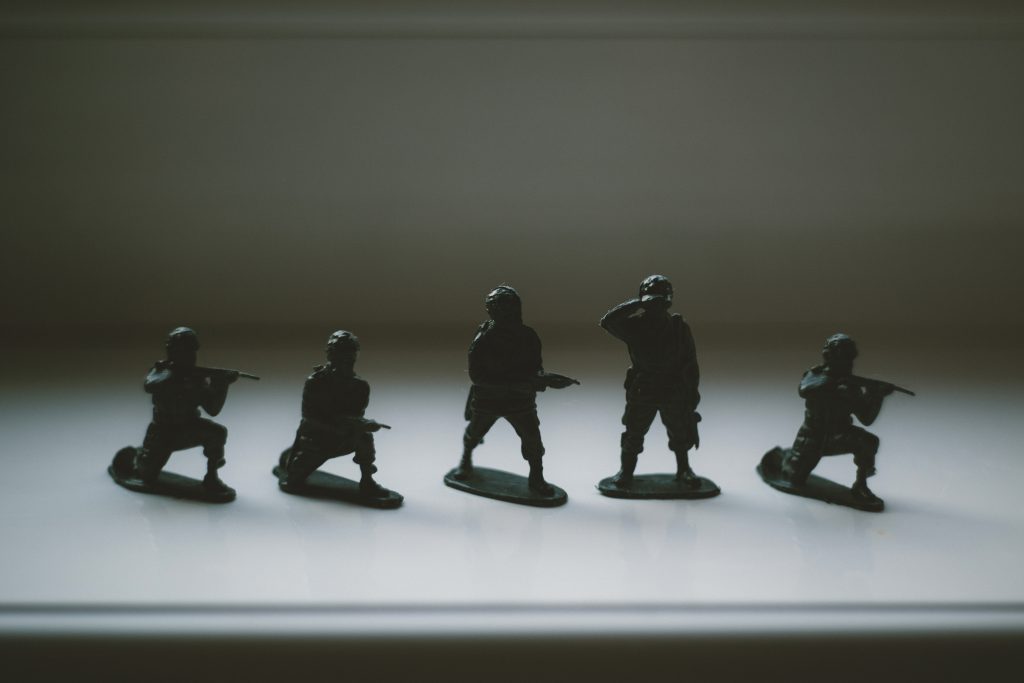 The Army has established a point allocation system that translates ACFT performance into promotion points. For example, a soldier's performance in the ACFT can contribute up to 180 points toward their promotion score, depending on their score and the promotion board's criteria. The ACFT calculator serves as a tool for soldiers to estimate their promotion points based on their ACFT scores.
Additionally, soldiers are encouraged to set personal fitness goals and track their progress, creating a sense of accountability and motivation. To excel in the ACFT, soldiers must engage in a well-rounded training program that incorporates strength training, cardiovascular conditioning, and agility drills. Resources such as the Army’s official training guides, fitness apps, and group training sessions can provide valuable support.
This allows for greater differentiation in performance levels and provides soldiers with more detailed feedback on their fitness. Scoring System: The APFT used a simple pass/fail system based on performance in each event, with a maximum score of 300 points. The ACFT employs a more complex scoring system, with a total possible score of 600 points.
The ACFT was officially implemented in October 2020, replacing the Army Physical Fitness Test (APFT). The Army has emphasized the importance of physical fitness in overall soldier readiness, making the ACFT an essential component of the promotion evaluation process. The new test is designed to better assess a soldier's physical readiness for combat through six events: the deadlift, standing power throw, hand-release push-up, sprint-drag-carry, plank, and two-mile run. Each event is scored on a scale of 0 to 100, with a total score of 600 possible.
In recent years, the Army Combat Fitness Test (ACFT) has undergone significant changes, particularly with its integration into the promotion points system. As the Army prepares for the 2026 promotion cycle, understanding the nuances of the ACFT calculator and its implications for promotion points is crucial for soldiers aiming to advance their careers. This case study explores the promotion points system, the role of the ACFT calculator, and strategies for soldiers to maximize their scores.
Ensure that the plan aligns with the ACFT events. Create a Training Plan: Develop a comprehensive training plan that incorporates strength training, cardiovascular conditioning, and flexibility exercises.
The ACFT was officially implemented in 2020, designed to replace the Army Physical Fitness Test (APFT) with a more rigorous and comprehensive assessment of a soldier's physical capabilities. The ACFT consists of six events: the deadlift, standing power throw, hand-release push-up, sprint-drag-carry, leg tuck, and two-mile run. Each event is designed to evaluate different aspects of physical fitness, including strength, endurance, agility, and coordination.
One of the key advantages of the ACFT is its ability to evaluate functional fitness. The events are not only designed to test a soldier's physical capabilities but also to simulate tasks they may encounter in the field. This functional approach ensures that soldiers are not only fit in a conventional sense but also capable of performing the tasks essential for mission success. For instance, the deadlift assesses lower body strength, crucial for lifting heavy equipment, while the sprint-drag-carry simulates the quick, explosive movements needed in combat scenarios.
Reducing aircraft run time is one approach to achieving this goal, as shorter flight times can lead to lower fuel consumption and reduced greenhouse gas emissions. Moreover, the growing emphasis on sustainability in aviation has prompted airlines to seek ways to minimize their environmental impact. Innovations in aircraft design, such as the development of more fuel-efficient engines and lighter materials, are also contributing to improved performance and reduced run times.
The ACFT scores will be a significant component of this evaluation, alongside other factors such as time in service, awards, and military education. The promotion board will consider a soldier's overall performance, but the ACFT score can serve as a differentiating factor, particularly in competitive promotion environments. In 2026, the promotion points system will continue to evolve, with a focus on a holistic approach to evaluating soldier performance.
Another aspect to consider is the mental component of fitness. This recognition of the mind-body connection in military fitness is a positive development, promoting a more holistic approach to soldier readiness. The ability to push through physical challenges, maintain focus under pressure, and recover from setbacks are all critical traits for soldiers. The ACFT emphasizes not only physical strength but also mental resilience. ACFT scores, therefore, can serve as a reflection of a soldier's mental fortitude, an essential quality in high-stakes environments.
The Army has established a point allocation system that translates ACFT performance into promotion points. For example, a soldier's performance in the ACFT can contribute up to 180 points toward their promotion score, depending on their score and the promotion board's criteria. The ACFT calculator serves as a tool for soldiers to estimate their promotion points based on their ACFT scores.Additionally, soldiers are encouraged to set personal fitness goals and track their progress, creating a sense of accountability and motivation. To excel in the ACFT, soldiers must engage in a well-rounded training program that incorporates strength training, cardiovascular conditioning, and agility drills. Resources such as the Army’s official training guides, fitness apps, and group training sessions can provide valuable support.This allows for greater differentiation in performance levels and provides soldiers with more detailed feedback on their fitness. Scoring System: The APFT used a simple pass/fail system based on performance in each event, with a maximum score of 300 points. The ACFT employs a more complex scoring system, with a total possible score of 600 points.
The ACFT was officially implemented in October 2020, replacing the Army Physical Fitness Test (APFT). The Army has emphasized the importance of physical fitness in overall soldier readiness, making the ACFT an essential component of the promotion evaluation process. The new test is designed to better assess a soldier's physical readiness for combat through six events: the deadlift, standing power throw, hand-release push-up, sprint-drag-carry, plank, and two-mile run. Each event is scored on a scale of 0 to 100, with a total score of 600 possible.
