In addition to the tiered scoring system, the Army is expected to place a greater emphasis on the importance of overall fitness, rather than just individual event scores. The focus will be on developing strength, endurance, and agility, which are critical for success in various operational scenarios. This holistic approach encourages soldiers to improve their performance across all events, fostering a well-rounded fitness regimen that prepares them for the rigors of military life.
Monitor Progress: Regularly tracking progress is critical to ensuring that soldiers are on track to meet the new standards. Adjustments to the training plan may be necessary based on performance and fitness improvements.
The Army Combat Fitness Test (ACFT) is a pivotal component of the U.S. Army's physical fitness program, designed to assess soldiers' physical readiness for combat. As the ACFT evolves, particularly with the anticipated changes and scoring adjustments set for 2026, it is essential for soldiers and commanders to understand what these scores mean and how they will impact overall fitness evaluations.
This data-driven approach not only empowers soldiers to take charge of their fitness journey but also enables Army leadership to identify trends and make informed decisions regarding training programs and resource allocation. Wearable fitness devices, mobile applications, and data analytics can offer real-time feedback on individual performance, allowing soldiers to track their progress and make necessary adjustments to their training regimens. Furthermore, the 2026 ACFT scoring system is anticipated to leverage technology to provide more accurate assessments of soldier performance.
The ACFT was officially adopted by the U.S. Army in 2020 as a replacement for the Army Physical Fitness Test (APFT). The new test consists of six events: the deadlift, standing power throw, hand-release push-up, sprint-drag-carry, plank, and two-mile run. The introduction of the ACFT aimed to create a more comprehensive evaluation of a soldier's fitness level, aligning it closer to the physical demands encountered in combat situations. Each event is designed to test different aspects of physical fitness, including strength, endurance, and mobility.
Soldiers will be provided with specific insights into their performance, allowing them to identify areas for improvement. The 2026 ACFT scoring will also likely incorporate a more detailed feedback mechanism. Commanders will also have access to aggregated data, enabling them to identify trends and areas where additional training resources may be needed. This feedback will be crucial for personal development and will help soldiers create targeted training plans to enhance their physical capabilities.
 This shift is intended to motivate soldiers to improve their physical fitness levels and to ensure that all soldiers meet the necessary standards for their roles. The Army aims to refine the scoring to better reflect the physical demands of combat and operational tasks. The scoring scale is likely to be adjusted, emphasizing the importance of achieving a minimum passing score while also recognizing exceptional performance. As we approach the 2026 implementation of the ACFT scoring system, it is important to recognize the changes that will be introduced.
 In conclusion, the 2026 ACFT scores represent a significant shift in how the Army assesses physical fitness. By understanding the implications of these changes and proactively preparing for them, soldiers can enhance their physical readiness and contribute to the overall mission of the Army. With a focus on tiered scoring, holistic fitness, and detailed feedback, soldiers will be better equipped to meet the demands of their roles. Embracing these changes will not only improve individual fitness levels but also foster a stronger, more capable fighting force.
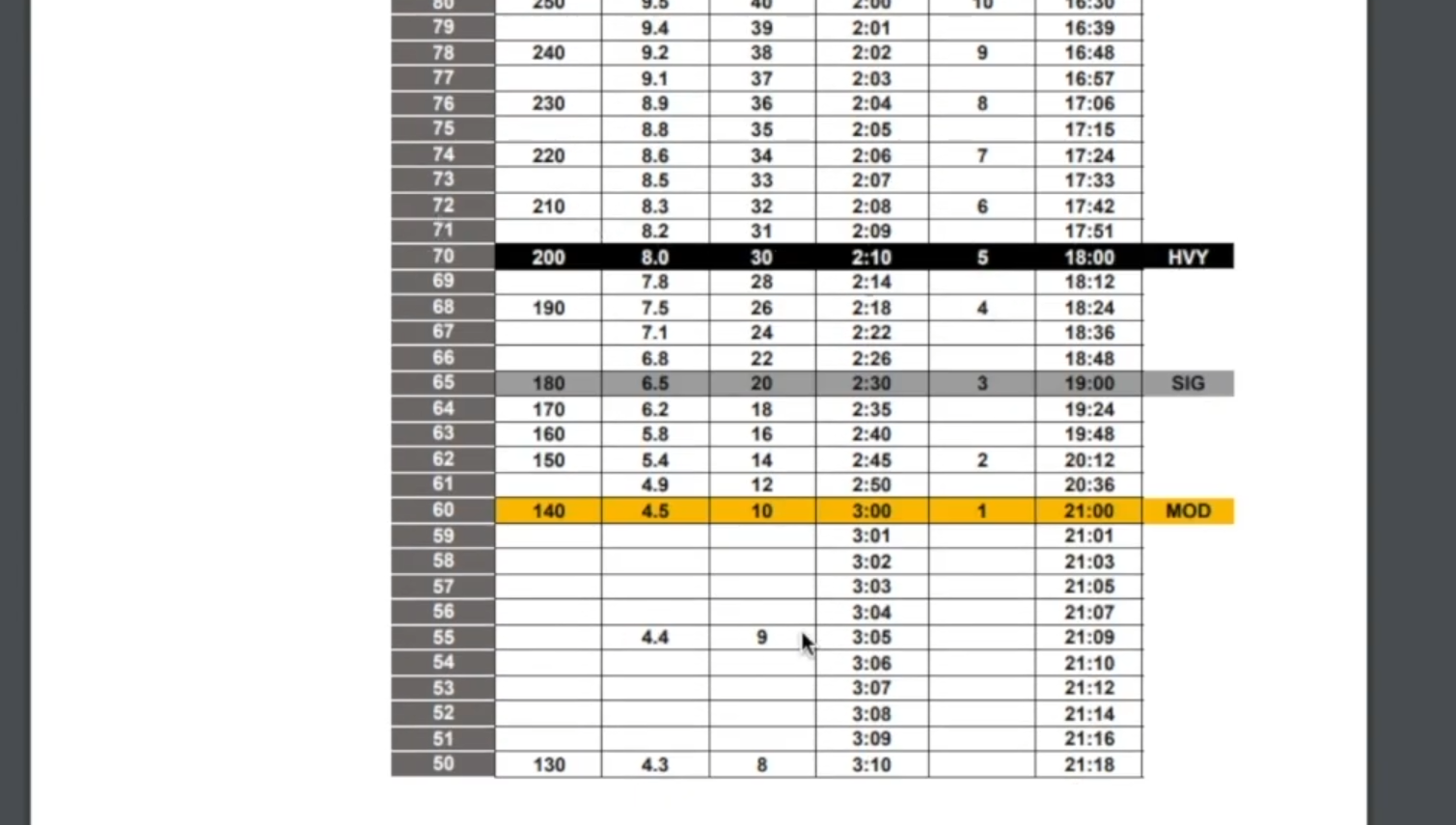 Emphasizing a culture of fitness and resilience within units will also be vital in adapting to the new scoring criteria. Engaging with leadership and participating in training sessions will ensure that soldiers are well-prepared to meet the evolving standards. As the Army continues to refine the ACFT, it is crucial for soldiers to stay informed about the latest developments and changes to the scoring system.
This case study aims to analyze the anticipated trends, implications, and overall impact of the ACFT score updates on soldiers and the U.S. The ACFT was introduced to enhance physical readiness and combat effectiveness among soldiers, moving away from the traditional Army Physical Fitness Test (APFT) which primarily focused on push-ups, sit-ups, and a two-mile run. The ACFT incorporates a more comprehensive set of physical tasks that simulate real-world combat scenarios, including deadlifts, standing power throws, hand-release push-ups, sprint-drag-carry, leg tucks, and a two-mile run. The Army Combat Fitness Test (ACFT) has undergone significant changes since its inception, with the latest scoring system set for 2026.
Monitor Progress: Regularly tracking progress is critical to ensuring that soldiers are on track to meet the new standards. Adjustments to the training plan may be necessary based on performance and fitness improvements.
The Army Combat Fitness Test (ACFT) is a pivotal component of the U.S. Army's physical fitness program, designed to assess soldiers' physical readiness for combat. As the ACFT evolves, particularly with the anticipated changes and scoring adjustments set for 2026, it is essential for soldiers and commanders to understand what these scores mean and how they will impact overall fitness evaluations.
This data-driven approach not only empowers soldiers to take charge of their fitness journey but also enables Army leadership to identify trends and make informed decisions regarding training programs and resource allocation. Wearable fitness devices, mobile applications, and data analytics can offer real-time feedback on individual performance, allowing soldiers to track their progress and make necessary adjustments to their training regimens. Furthermore, the 2026 ACFT scoring system is anticipated to leverage technology to provide more accurate assessments of soldier performance.
The ACFT was officially adopted by the U.S. Army in 2020 as a replacement for the Army Physical Fitness Test (APFT). The new test consists of six events: the deadlift, standing power throw, hand-release push-up, sprint-drag-carry, plank, and two-mile run. The introduction of the ACFT aimed to create a more comprehensive evaluation of a soldier's fitness level, aligning it closer to the physical demands encountered in combat situations. Each event is designed to test different aspects of physical fitness, including strength, endurance, and mobility.
Soldiers will be provided with specific insights into their performance, allowing them to identify areas for improvement. The 2026 ACFT scoring will also likely incorporate a more detailed feedback mechanism. Commanders will also have access to aggregated data, enabling them to identify trends and areas where additional training resources may be needed. This feedback will be crucial for personal development and will help soldiers create targeted training plans to enhance their physical capabilities.
This shift is intended to motivate soldiers to improve their physical fitness levels and to ensure that all soldiers meet the necessary standards for their roles. The Army aims to refine the scoring to better reflect the physical demands of combat and operational tasks. The scoring scale is likely to be adjusted, emphasizing the importance of achieving a minimum passing score while also recognizing exceptional performance. As we approach the 2026 implementation of the ACFT scoring system, it is important to recognize the changes that will be introduced.In conclusion, the 2026 ACFT scores represent a significant shift in how the Army assesses physical fitness. By understanding the implications of these changes and proactively preparing for them, soldiers can enhance their physical readiness and contribute to the overall mission of the Army. With a focus on tiered scoring, holistic fitness, and detailed feedback, soldiers will be better equipped to meet the demands of their roles. Embracing these changes will not only improve individual fitness levels but also foster a stronger, more capable fighting force.Emphasizing a culture of fitness and resilience within units will also be vital in adapting to the new scoring criteria. Engaging with leadership and participating in training sessions will ensure that soldiers are well-prepared to meet the evolving standards. As the Army continues to refine the ACFT, it is crucial for soldiers to stay informed about the latest developments and changes to the scoring system.This case study aims to analyze the anticipated trends, implications, and overall impact of the ACFT score updates on soldiers and the U.S. The ACFT was introduced to enhance physical readiness and combat effectiveness among soldiers, moving away from the traditional Army Physical Fitness Test (APFT) which primarily focused on push-ups, sit-ups, and a two-mile run. The ACFT incorporates a more comprehensive set of physical tasks that simulate real-world combat scenarios, including deadlifts, standing power throws, hand-release push-ups, sprint-drag-carry, leg tucks, and a two-mile run. The Army Combat Fitness Test (ACFT) has undergone significant changes since its inception, with the latest scoring system set for 2026.
