The Army recognizes that physical fitness is not only a requirement for operational readiness but also a critical component of overall soldier wellness. Moreover, the ACFT 2026 standards are designed to promote a culture of fitness within the Army. As such, the ACFT encourages soldiers to engage in regular physical training and adopt healthy lifestyle choices. This holistic approach to fitness is expected to lead to improved mental health, reduced injury rates, and enhanced performance on the battlefield.
This ongoing assessment helps in adjusting training regimens to meet fitness goals. Track Progress: By regularly using the ACFT Calculator after training sessions or practice tests, soldiers can track their progress over time.
This includes recording the number of repetitions completed, weights lifted, and times achieved. Documentation: Accurate record-keeping is essential. Graders should document each soldier’s performance immediately after each event to avoid discrepancies.
 As soldiers prepare for the test, they will be encouraged to adopt a more comprehensive approach to fitness that encompasses strength training, endurance exercises, and recovery strategies. The implementation of the ACFT 2026 standards is expected to have far-reaching implications for military training and readiness. This shift in focus may lead to a cultural transformation within the Army, where physical fitness is viewed as an integral aspect of soldiering rather than a mere obligation.
The 2026 standards build upon the initial design of the ACFT, refining the test to better align with the Army's mission and the physical demands placed on soldiers in various operational environments. The ACFT was first introduced in 2019 as a replacement for the Army Physical Fitness Test (APFT), which had been in use for decades. The shift to the ACFT was rooted in the recognition that the demands of modern combat require soldiers to possess a diverse range of physical capabilities.
As soldiers embrace these new standards, they will not only enhance their individual performance but also contribute to a more capable and resilient fighting force. The ACFT 2026 is not just a test; it is a reflection of the Army's commitment to excellence and its dedication to preparing soldiers for the realities of combat. In conclusion, the ACFT 2026 standards represent a significant advancement in the Army's approach to physical fitness and soldier readiness. By emphasizing functional fitness, inclusivity, mental resilience, and a holistic view of wellness, the Army is positioning itself to meet the challenges of modern warfare.
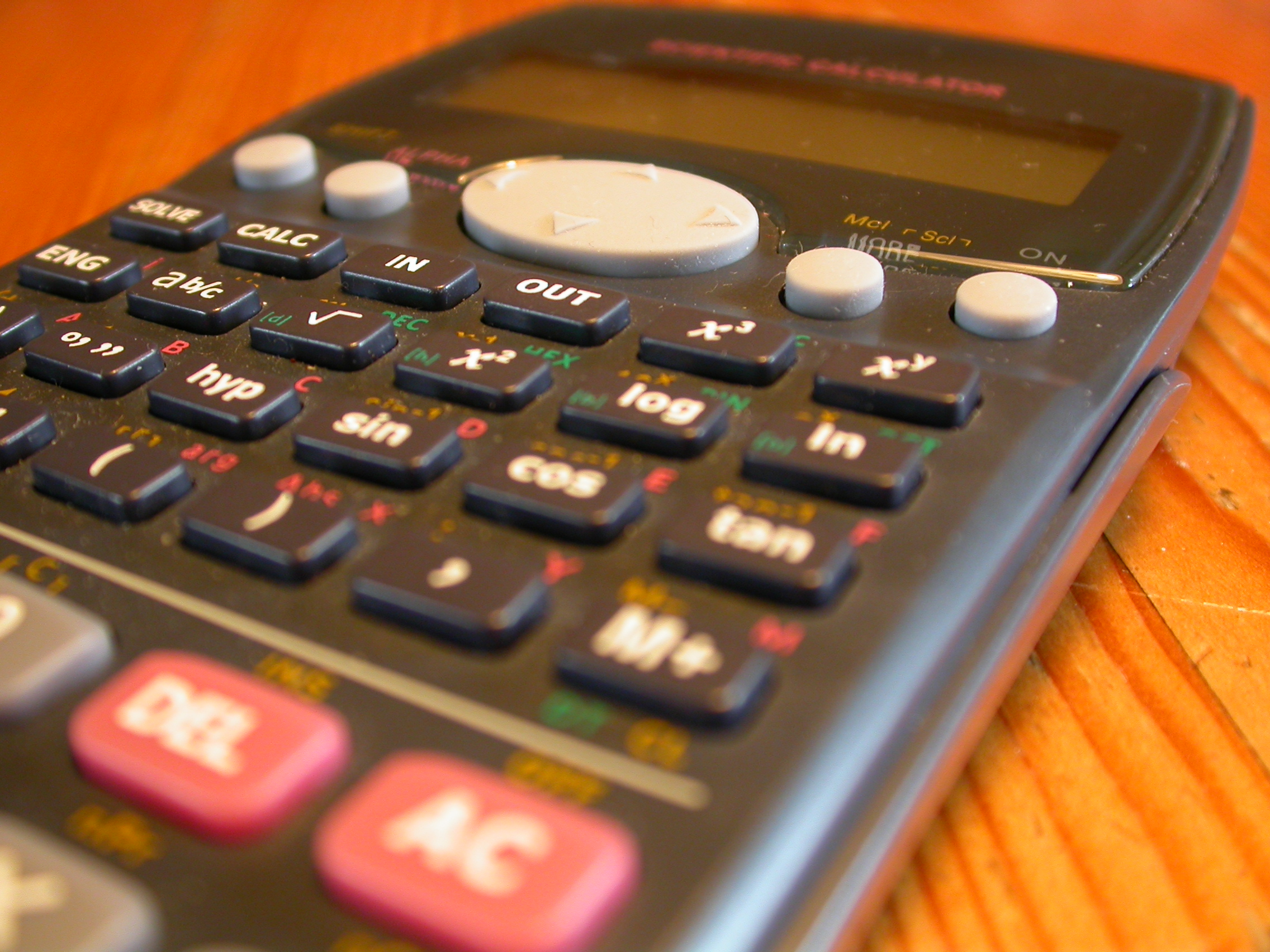 By refining the scoring system and encouraging higher performance levels, the Army aims to foster a culture of excellence among its ranks. The 2026 ACFT score chart represents a significant step forward in the Army's commitment to physical fitness and soldier readiness. The long-term success of the ACFT will ultimately depend on the Army's ability to balance high expectations with the well-being of its soldiers, ensuring that they remain fit, motivated, and ready for any mission. As soldiers adapt to the new standards, ongoing support and resources will be essential in ensuring that all soldiers can meet the challenges of modern warfare.
A physically fit soldier is better equipped to handle the rigors of combat, reducing the risk of injury and enhancing mission success. Furthermore, the emphasis on physical fitness has broader implications for overall soldier readiness. As the Army continues to adapt to the evolving landscape of warfare, maintaining a high level of physical fitness will remain a critical component of operational readiness.
Soldiers will throw a 10-pound medicine ball backward over their heads. Standing Power Throw: This event measures explosive power. Graders should ensure that the throw is performed from a standing position and that the ball is released behind the head.
The acft calc 2026 standards also introduce gender and age-specific scoring, acknowledging the physiological differences that exist among soldiers. This approach aims to create a more equitable assessment environment, encouraging all soldiers to strive for their personal best while maintaining the high standards required for military readiness. By tailoring the scoring system to account for these differences, the Army recognizes the unique challenges faced by diverse populations within its ranks and fosters a culture of inclusivity and support.
 Declaring Back Taxes Owed From Foreign Funds In Offshore Bank...

